

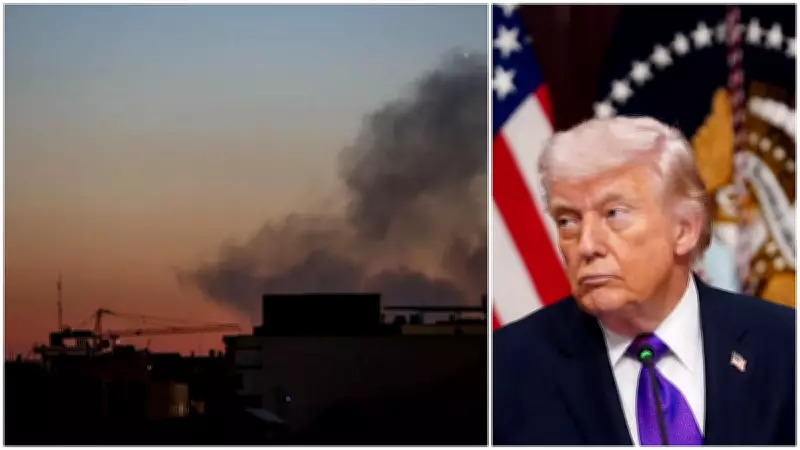
Trump Takes Hardline Stance on Iran, Calls for Unconditional Surrender
In a bold declaration addressing the escalating West Asia crisis, former US President Donald Trump has firmly rejected the possibility of diplomatic negotiations with Iran. Instead, he has demanded nothing short of unconditional surrender from the Iranian regime, emphasizing a no-compromise approach to regional tensions.
'Make Iran Great Again': A Controversial Promise
Trump, known for his provocative rhetoric, has co-opted his famous campaign slogan, promising to "Make Iran Great Again" as part of his vision for the region. However, this pledge comes with a stark condition: Iran must first submit to complete and unconditional surrender, a move that analysts say could further destabilize an already volatile situation.
The former president's comments highlight a significant shift away from traditional diplomacy, advocating for a more aggressive stance that prioritizes American interests above all else. This approach has drawn both support and criticism from international observers, who fear it may exacerbate conflicts in West Asia.

Rejecting Deals in Favor of Force
Trump's insistence on unconditional surrender marks a clear departure from previous administrations' efforts to engage Iran through deals like the Joint Comprehensive Plan of Action (JCPOA). He argues that such agreements have failed to curb Iran's regional ambitions and nuclear activities, necessitating a tougher line.
"There will be no deal, only unconditional surrender," Trump stated, underscoring his belief that only through capitulation can lasting peace be achieved. This stance reflects his broader foreign policy philosophy, which often favors unilateral action over multilateral cooperation.
Implications for West Asia and Global Politics
The demand for unconditional surrender has far-reaching implications:
- Increased Tensions: Iran is likely to respond with defiance, potentially leading to heightened military posturing and proxy conflicts across the region.
- Diplomatic Isolation: Trump's approach may alienate US allies who prefer diplomatic solutions, straining international relations.
- Domestic Reactions: Within the US, the statement could influence political discourse ahead of upcoming elections, polarizing opinions on foreign policy.
As the West Asia crisis continues to unfold, Trump's hardline position adds a new layer of complexity to an already intricate geopolitical landscape. Observers warn that without a path to dialogue, the region risks further escalation, with global consequences for security and stability.






