

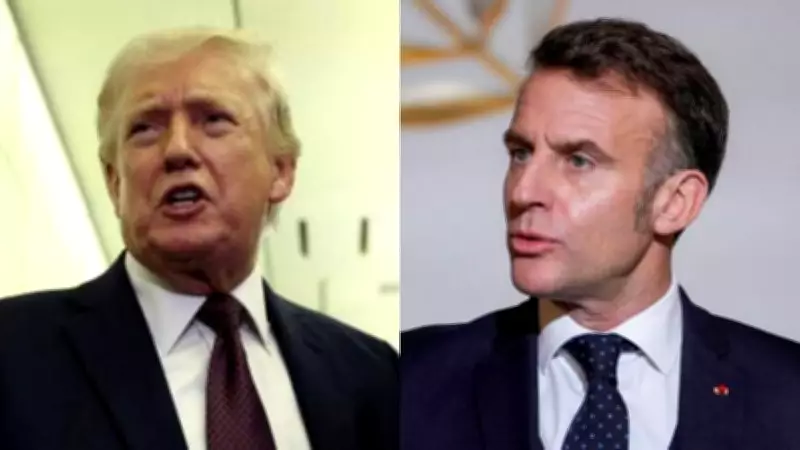
Trump Threatens 100% Tariffs on French Wine Over Digital Tax
US President Donald Trump has issued a stark warning to France: eliminate the digital services tax on American technology giants or face 100 percent tariffs on French wine imports. The threat escalates a long-standing trade dispute between the two nations.
France has applied a 3 percent levy since 2019 on revenue from digital services earned in France by companies with revenues exceeding €25 million locally and €750 million worldwide. This tax primarily affects US tech giants like Google, Apple, Facebook, and Amazon.
Trump's ultimatum came during a press conference, where he stated, "France is unfairly targeting our great American companies. If they don't remove this digital tax immediately, we will impose 100 percent tariffs on French wine. It's simple: they either drop the tax or pay the price."

The French government has defended the tax as a measure to ensure fair taxation of digital companies that profit from the French market. French President Emmanuel Macron has previously argued that the tax is necessary to address the challenges of the digital economy.
This is not the first time Trump has targeted French wine in trade disputes. In 2019, he threatened tariffs over France's digital tax, leading to a temporary truce. However, talks at the OECD level for a global digital tax agreement have stalled, reigniting tensions.
The threat has sent shockwaves through the French wine industry, which exports billions of euros worth of wine to the United States annually. French wine producers fear significant losses if the tariffs are imposed, potentially leading to job cuts and reduced revenues.
Economists warn that such tariffs could trigger a broader trade war, affecting not only wine but also other goods. The US and France have a complex trade relationship, and this dispute could have far-reaching implications for global trade dynamics.
As of now, there has been no official response from the French government regarding Trump's latest threat. However, French officials have indicated they are prepared to retaliate if the US follows through on the tariff threat.
The standoff highlights the ongoing challenges in taxing the digital economy, where companies can operate across borders with minimal physical presence. Both sides remain entrenched in their positions, with no immediate resolution in sight.






