

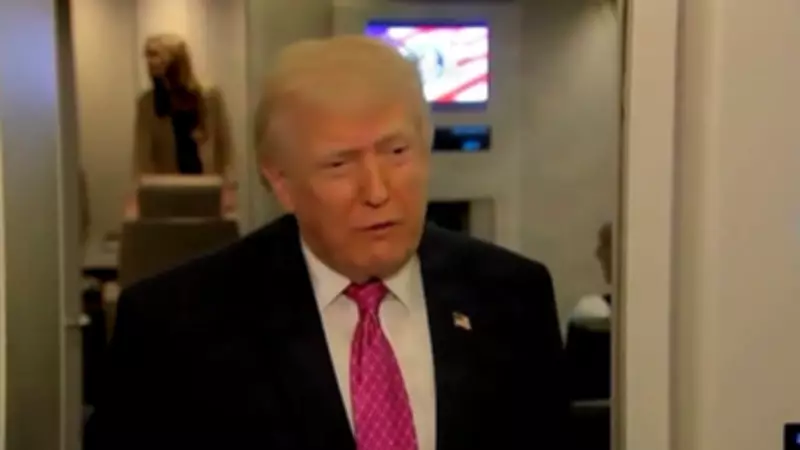
Trump Asserts US Role in Iranian Regime Change, Dubs It 'A New Group'
In a recent statement that has ignited widespread discussion, former United States President Donald Trump claimed that the United States has been responsible for causing regime change in Iran. He described this development as involving "a new group," though he did not provide specific details or names regarding the entities or individuals involved.
Context and Implications of the Claim
Trump's remarks come amid ongoing tensions in the Middle East, where Iran has been a focal point of US foreign policy for decades. The assertion suggests a direct US influence in Iran's internal political dynamics, which could have significant ramifications for diplomatic relations and regional stability. Historically, the US has had a complex relationship with Iran, marked by periods of conflict and attempts at engagement.
This claim aligns with Trump's previous foreign policy stances, which often emphasized assertive actions in the Middle East. During his presidency, he implemented policies such as withdrawing from the Iran nuclear deal and imposing sanctions, which were aimed at pressuring the Iranian government.

Reactions and Analysis
International observers and analysts have reacted with a mix of skepticism and concern. Some experts question the veracity of Trump's statement, noting that regime change is a serious allegation that requires substantial evidence. Others warn that such claims could escalate tensions further, potentially undermining efforts for peace and dialogue in the region.
From a geopolitical perspective, this assertion might be seen as part of broader narratives about US interventionism. It raises questions about the methods and consequences of foreign policy actions in volatile regions like the Middle East.
Broader Impact on US-Iran Relations
The statement could impact future diplomatic efforts between the US and Iran. If perceived as an admission of covert operations, it might harden positions on both sides, making negotiations more challenging. Additionally, it could influence public opinion and policy debates within the United States regarding its role in global affairs.
In summary, Trump's claim about US-caused regime change in Iran adds a new layer to the ongoing discourse on Middle Eastern politics. As details remain unclear, the international community will likely monitor developments closely, assessing the implications for regional security and international relations.






