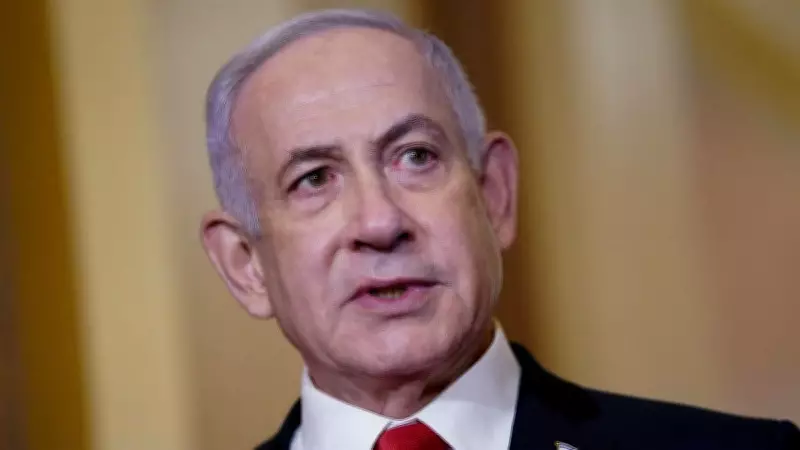
The United Arab Emirates has categorically denied an Israeli claim that Prime Minister Benjamin Netanyahu made a secret visit to the country and met with its president during the ongoing conflict with Iran. In a statement released on Wednesday, a UAE official described the report as 'entirely unfounded.'
Background of the Allegation
The Israeli Prime Minister's office had earlier on Wednesday asserted that Netanyahu traveled to the UAE and held discussions with Emirati President Sheikh Mohamed bin Zayed Al Nahyan. This alleged meeting was said to have taken place amid heightened tensions and military operations between Israel and Iran. The claim quickly drew international attention, given the sensitive timing and the potential implications for regional diplomacy.
UAE's Official Response
In response to inquiries from news agencies, including Reuters, a UAE government spokesperson firmly rejected the Israeli narrative. 'There is no truth to these reports. No such meeting occurred, and the claims are entirely baseless,' the spokesperson stated. The UAE emphasized its commitment to transparency and accuracy in diplomatic communications, urging all parties to refrain from spreading unverified information.

Regional Context
The denial comes as the Middle East remains on edge following a series of escalations between Israel and Iran. The war, which has involved airstrikes and proxy engagements, has drawn in various regional actors. The UAE, which normalized relations with Israel under the Abraham Accords in 2020, has maintained a cautious stance, balancing its diplomatic ties with broader regional stability concerns. Analysts suggest that any secret meeting would have significant implications for the UAE's foreign policy posture, particularly its relations with Iran and other Arab states.
Reactions and Implications
Israeli officials have not yet commented on the UAE's denial. However, the discrepancy raises questions about the reliability of information from the Israeli Prime Minister's office. Some observers speculate that the claim may have been intended to project strength or to test the UAE's position. Others view it as a potential miscommunication or a strategic leak. Regardless, the incident underscores the fragile nature of regional alliances amid the ongoing conflict.
The UAE has consistently called for de-escalation and a diplomatic resolution to the Iran-Israel tensions. Its denial of the meeting aligns with its public stance of neutrality and caution. As the war continues, the accuracy of such reports will remain under scrutiny, with implications for trust between the involved parties and the broader international community.