

UAE Air Defenses Thwart Major Iranian Aerial Assault
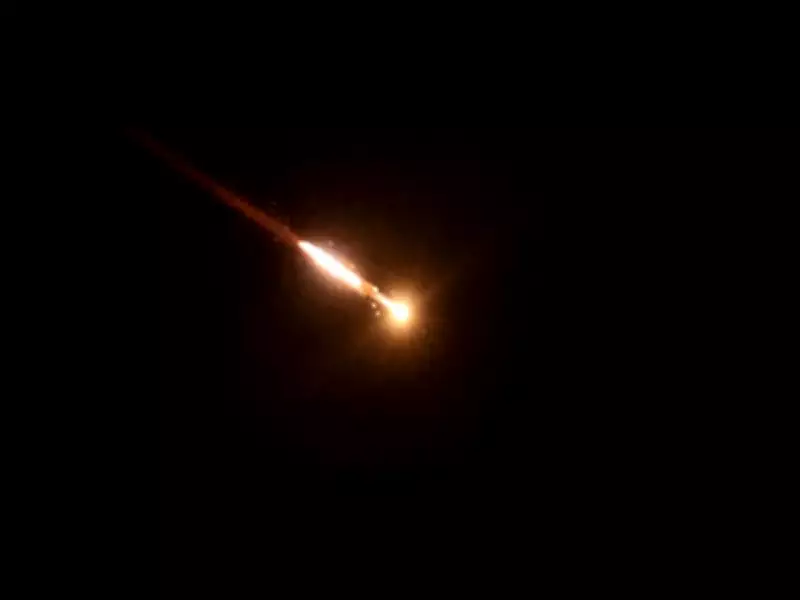
The United Arab Emirates (UAE) has successfully repelled a large-scale aerial attack, with its sophisticated air defense systems intercepting a total of 16 ballistic missiles and 42 unmanned aerial vehicles (UAVs) launched by Iran. This significant defensive operation underscores the escalating regional tensions and the UAE's robust military capabilities in countering complex threats.
Details of the Coordinated Defensive Response
The attack, which originated from Iranian territory, involved a coordinated barrage of ballistic missiles and drones targeting strategic locations within the UAE. According to military reports, the UAE's integrated air defense network was activated immediately, engaging the incoming threats with precision. The interception of all 16 ballistic missiles and 42 UAVs prevented any reported casualties or major infrastructural damage, demonstrating the effectiveness of the nation's defensive protocols.
This incident marks one of the most substantial aerial assaults faced by the UAE in recent years, highlighting the persistent volatility in the Middle East. The use of ballistic missiles, known for their high speed and destructive potential, combined with a swarm of UAVs, represents a sophisticated and multi-layered attack strategy employed by Iran.

Regional Implications and Security Concerns
The successful interception by UAE forces has significant implications for regional security dynamics. It not only showcases the UAE's investment in advanced defense technology but also raises concerns about the ongoing proxy conflicts and direct hostilities involving Iran and its neighbors. Analysts suggest that such attacks could be linked to broader geopolitical tensions, including disputes over nuclear agreements and regional influence.
In response to the incident, UAE officials have emphasized their commitment to safeguarding national sovereignty and maintaining stability in the Gulf region. The government has reiterated its stance on de-escalation while affirming the right to defend against any aggression. This event is likely to prompt further discussions on regional security cooperation and defense alliances among Gulf Cooperation Council (GCC) countries.
Technological and Strategic Defense Capabilities
The UAE's ability to neutralize such a diverse array of threats highlights its advanced military infrastructure. Key components of its defense strategy include:
- Integrated Air Defense Systems: Utilizing radar networks and missile defense systems like the Patriot and THAAD, which are designed to detect and intercept ballistic missiles.
- Counter-UAV Technology: Employing electronic warfare and kinetic solutions to disable or destroy drones, which are increasingly used in asymmetric warfare.
- International Partnerships: Collaborating with allied nations for intelligence sharing and joint exercises, enhancing preparedness against complex attacks.
This incident serves as a stark reminder of the evolving nature of modern warfare, where hybrid tactics combining missiles and drones pose new challenges for defense forces worldwide. The UAE's proactive measures and successful interceptions set a precedent for how nations can mitigate such threats through technological innovation and strategic planning.
As tensions continue to simmer in the Middle East, the international community is closely monitoring developments, with calls for diplomatic resolutions to prevent further escalation. The UAE's defense achievements in this attack may influence future security policies and defense investments across the region, aiming to deter similar aggressions and ensure long-term stability.






