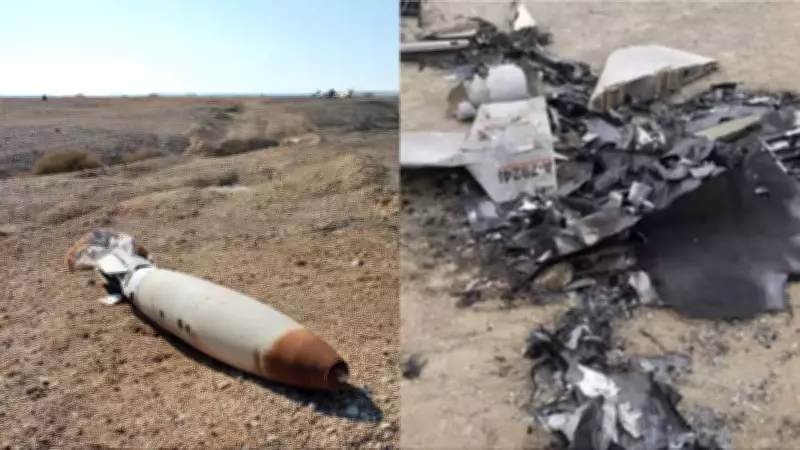
Middle East Tensions Escalate as Falling Missile Debris Poses New Civilian Threat
As tensions across the Middle East intensify following escalating conflicts involving Iran, the United States, and Israel, residents throughout the Gulf region are confronting an unfamiliar and dangerous reality. The night skies are increasingly illuminated by missile interceptions, with fragments of debris falling back to earth and posing significant risks to populated areas.
UAE Authorities Issue Urgent Safety Advisories
In the United Arab Emirates, authorities have issued a series of urgent safety advisories after several incidents of falling shrapnel caused injuries and property damage in recent days. These warnings come as regional air defense systems work to intercept missiles and drones launched toward Gulf countries. While many threats are neutralized mid-air, the fragments—commonly known as shrapnel—can still descend over residential zones, creating serious hazards for civilians.
Authorities emphasize that in such volatile situations, public awareness and responsible behavior can make a critical difference between safety and harm. The recent wave of missile and drone interceptions has dramatically altered the region's security environment, transforming what was once theoretical risk into immediate danger.

Why Falling Shrapnel Has Become a Critical Concern
The current security crisis stems from joint military strikes by the United States and Israel on Iranian targets, which prompted retaliatory missile launches from Iran toward several Gulf nations, including the UAE. Although most incoming threats have been successfully intercepted by sophisticated air defense systems, the resulting falling debris has still caused casualties and substantial damage.
According to official figures, several people in the UAE have been injured or killed due to falling fragments rather than direct missile impacts. In one particularly concerning incident, debris from intercepted projectiles fell in residential areas of Abu Dhabi, while other fragments sparked fires and caused minor damage in Dubai.
Five Essential Safety Steps for Residents
In response to this growing threat, emergency authorities have begun issuing comprehensive public guidance to help residents react safely if they encounter debris from intercepted missiles or drones. The UAE's Emergencies, Crises and Disasters Management Centre has posted detailed advisories on social media, stressing that the most important responses involve calmness, distance, and prompt reporting.

- Move Away Immediately: If you notice falling debris or hear objects hitting the ground after an interception, create distance from the area as quickly as possible. Shrapnel can be extremely hot, unstable, or even contain unexploded components. Officials advise staying far away from the site until emergency teams arrive.
- Seek Shelter Indoors: During missile alerts or after hearing explosions, residents should move indoors and remain inside secure buildings, away from open spaces. Emergency guidance recommends avoiding windows, doors, balconies, and rooftops because glass or debris could pose additional hazards. Being inside a structurally sound building dramatically reduces injury risk.
- Alert Authorities Immediately: If debris lands nearby, contact emergency services and report the exact location. Emergency teams and specialized units are trained to handle military debris safely. Prompt reporting allows authorities to secure the area and prevent accidental injuries.
- Keep Others Away: If you spot debris before authorities arrive, warn others not to approach. Curiosity often draws crowds, but this can significantly increase injury risks. Maintaining distance and discouraging bystanders from gathering helps keep everyone safe.
- Monitor Official Updates: Authorities strongly advise residents to rely on official government alerts, news updates, and emergency notifications for instructions. Residents should also keep their phones charged and stay connected with family members during heightened security alerts. To inform competent authorities, call the emergency number 999.
The Critical Mistake to Avoid
Officials emphasize that the most dangerous mistake people make is approaching debris to inspect it, photograph it, or share images on social media. Authorities have repeatedly warned residents not to touch, photograph, or move suspicious objects, as these fragments could contain hazardous materials or unexploded components. Even seemingly harmless pieces of metal could be unstable or toxic. Only trained specialists should handle such objects.
Across the world, unexploded ordnance and missile debris have caused injuries long after military incidents ended. Fragments from missiles and drones can include sharp high-velocity metal pieces, fuel or chemical residue, electronics and batteries that may ignite, and unexploded warhead components. Experts caution that even small fragments may detonate or release harmful substances if disturbed.
UAE's Preparedness and Response Systems
The United Arab Emirates maintains one of the region's most advanced air defense systems and emergency response networks. Despite current tensions, officials have emphasized that the country remains prepared to protect civilians. Emergency alerts have been sent directly to residents' mobile phones, instructing them to seek shelter and follow safety guidelines during missile threats.
Government agencies are coordinating closely with civil defense teams to quickly secure areas where debris lands. Although the sight of intercepted missiles or falling debris can be alarming, experts stress that the key is to remain calm and follow official guidance. Authorities continue to reassure residents that comprehensive safety systems are operational and that the situation is being closely monitored around the clock.
By staying indoors during alerts, avoiding debris, and reporting hazards promptly, residents can significantly reduce risks to themselves and others. In moments of regional tension, simple precautions like maintaining distance from suspicious objects and following emergency instructions can make all the difference in ensuring community safety.