

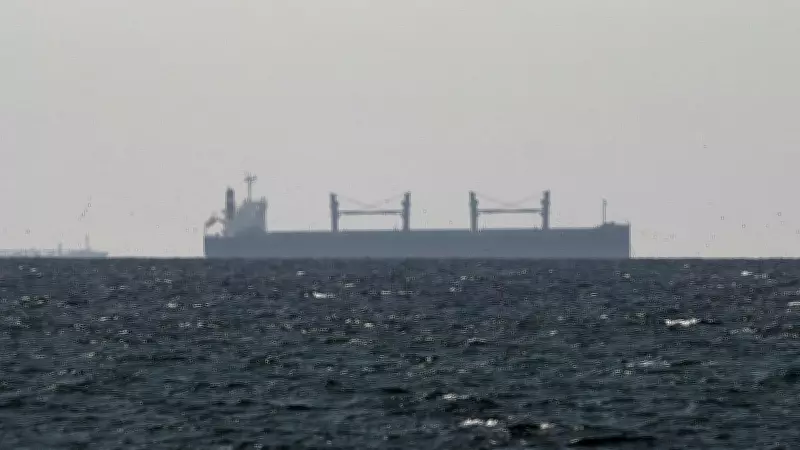
UAE Proposes Participation in Multinational Force to Reopen Strait of Hormuz
In a significant development reported by Reuters on March 27, 2026, the United Arab Emirates has formally indicated its readiness to join an international military force tasked with reopening the vital Strait of Hormuz. This strategic waterway, a crucial global oil transit route, has been at the center of escalating regional tensions, prompting calls for coordinated international action to ensure maritime security and free navigation.
Background of Regional Tensions and Security Concerns
The UAE's offer comes against a backdrop of heightened instability in the Middle East, where the country has reportedly faced a higher number of Iranian attacks compared to any other nation in the region, including Israel. This vulnerability has underscored the urgent need for robust security measures to protect critical infrastructure and trade routes. The Strait of Hormuz, connecting the Persian Gulf with the Gulf of Oman, serves as a lifeline for global energy supplies, with approximately one-fifth of the world's oil passing through its narrow channels. Any disruption here could have severe implications for international markets and geopolitical stability.
Details of the Proposed International Force
While specific operational details remain under discussion, the proposed international force is envisioned as a coalition of willing nations working together to safeguard maritime traffic through the strait. The UAE's participation would likely involve contributing naval assets, intelligence resources, and logistical support to enhance the coalition's effectiveness. This move aligns with the UAE's broader foreign policy objectives of promoting regional stability and countering threats to its sovereignty and economic interests. Experts suggest that such a force could operate under a United Nations mandate or through bilateral agreements, aiming to de-escalate conflicts and prevent further provocations.

- Enhanced Maritime Security: The involvement of the UAE could bolster the coalition's capabilities, providing local expertise and strategic positioning in the Gulf region.
- Diplomatic Ramifications: This development may influence diplomatic relations between the UAE, Iran, and other global powers, potentially leading to renewed negotiations or heightened confrontations.
- Economic Stability: Securing the Strait of Hormuz is critical for maintaining stable oil prices and ensuring uninterrupted energy supplies to markets worldwide.
The Reuters report, dated March 27, 2026, highlights the timing of this announcement as a response to ongoing regional challenges. As tensions persist, the UAE's willingness to engage in a multinational effort reflects a proactive approach to addressing security threats. Observers note that this could set a precedent for other nations in the region to collaborate on common security issues, fostering a more unified response to instability.
In conclusion, the UAE's offer to join an international force to reopen the Strait of Hormuz marks a pivotal moment in Middle Eastern geopolitics. By taking a stand alongside potential allies, the UAE aims to protect its interests and contribute to broader efforts aimed at ensuring peace and prosperity in a volatile region. The success of such initiatives will depend on international cooperation, diplomatic finesse, and a sustained commitment to maritime security principles.






