UAE Supermarkets Turn to Air Cargo to Maintain Fresh Food Supplies
As aviation disruptions continue to ripple across parts of the Middle East due to geopolitical tensions, retailers in the United Arab Emirates are implementing emergency measures to ensure supermarket shelves remain fully stocked. Dedicated cargo flights are now being deployed to airlift fresh fruits, vegetables, and other perishable foods directly into the country, bypassing traditional supply routes that have become unreliable.
Massive Produce Shipment Arrives from India
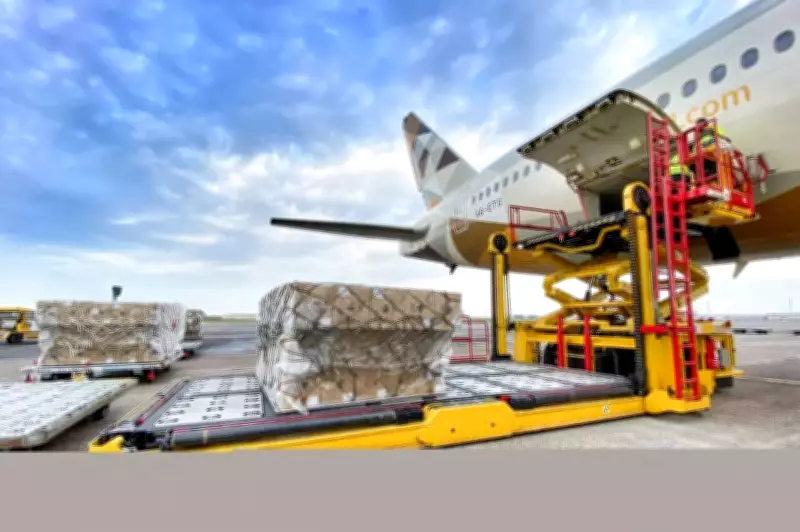
One of the most significant recent cargo shipments arrived in Abu Dhabi on March 7 aboard a freighter operated by Etihad Airways. This specialized flight carried approximately 12,000 packages of fresh fruits and vegetables from India, with the entire consignment weighing roughly 80,000 kilograms. The sheer scale of this shipment highlights the extensive efforts underway to move substantial quantities of fresh food into the UAE rapidly.
The shipment was organized by LuLu Group International, which operates one of the UAE's largest supermarket networks. The produce from this airlift operation is expected to be distributed across stores nationwide, ensuring customers continue to find fresh, high-quality items on grocery shelves despite the challenging logistics environment.

Why Air Cargo Has Become Essential
The decision to rely on chartered cargo flights comes as aviation routes across parts of the Middle East face significant disruption. Some passenger flights have been suspended or rerouted, substantially reducing the cargo capacity that typically moves fresh food between international markets and the Gulf region.
Passenger aircraft traditionally carry large volumes of fresh produce in their cargo holds, but when these flights are cancelled or limited, retailers must find alternative transportation methods. For highly perishable products, speed is absolutely critical. Air cargo allows produce to arrive within hours rather than days, preserving quality and preventing supply chain breakdowns that could affect supermarket availability.
Impact on UAE Residents and Food Security
For shoppers across the UAE, these specialized shipments are designed to maintain normal supermarket availability and selection. The country imports a significant percentage of its food, particularly fresh produce, making efficient logistics essential for daily grocery supply. Retailers confirm that fresh food arriving on cargo flights will quickly reach supermarket shelves through established distribution networks across all seven Emirates.
The primary objective is to ensure residents continue to find fruits, vegetables, and other perishable foods without major disruptions or quality compromises. Officials and industry leaders also point to the UAE's broader food security strategy, which maintains diversified sourcing markets and multiple supply routes to ensure steady imports even during regional disruptions.
These comprehensive systems, combined with robust private sector logistics networks, enable retailers to respond quickly when global transport routes face sudden changes or geopolitical pressures.
Additional Shipments Planned from Multiple Markets
Retailers continue to arrange produce imports from international suppliers, with additional cargo flights expected in the coming days and weeks. Shipments are being organized from multiple global cities including Mumbai, Bengaluru, and Melbourne, reflecting the UAE's extensive network of agricultural sourcing markets across different continents.
Such sophisticated logistics operations underline both the scale and complexity of the country's food supply chain. From overseas farms to supermarket shelves, fresh produce often travels thousands of kilometers before reaching consumers, requiring careful coordination at every stage.
For now, retailers emphasize that their priority remains straightforward: keep fresh food moving into the country efficiently so residents can continue shopping normally despite the ongoing turbulence affecting global aviation routes and regional logistics networks.