US Downplays Russia-Iran Intelligence Sharing Amid Middle East Tensions
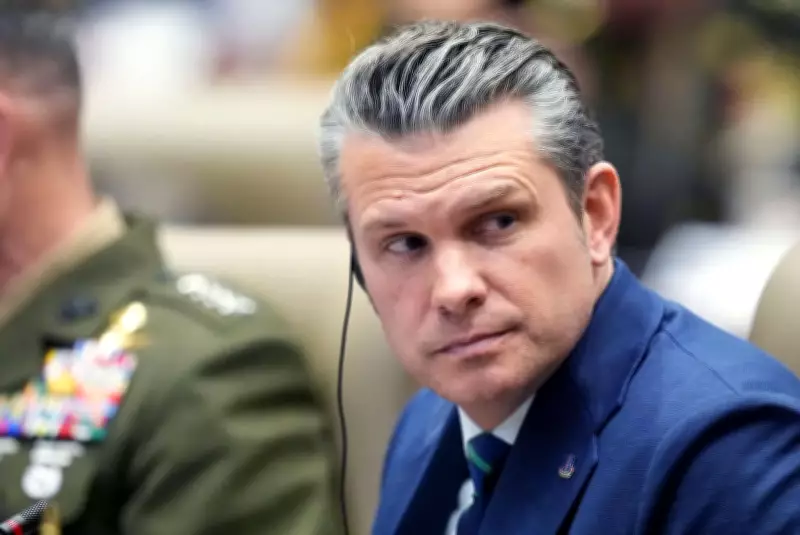
In response to recent reports alleging that Russia is providing real-time intelligence to Iran during the ongoing Middle East conflict, US Secretary of War Pete Hegseth has firmly stated that the United States possesses the "best intelligence" globally and is fully aware of all communications between nations. Speaking to CBS News' Major Garrett, Hegseth emphasized that American commanders are tracking every development, including who is talking to whom and the accuracy of such exchanges.
Confidence in US Intelligence Capabilities
Hegseth praised President Donald Trump, highlighting his "incredible knack" for mitigating international threats and assuring the public that the commander-in-chief is fully informed about all diplomatic interactions, whether public or through back channels. He dismissed concerns about Russia's alleged assistance, noting Trump's "unique relationship" with world leaders enables effective messaging where predecessors like Joe Biden might have struggled.
Dismissal of Threats to US Troops
When questioned about potential dangers to US forces from Russia-Iran collaboration, Hegseth downplayed the risk, asserting that no one endangers Americans; instead, it is the US that puts "other guys" in peril, a role he described as "our job." He concluded that only Iranians should be worried, implying US military superiority in the region.

White House Echoes Assurance
Earlier, White House press secretary Karoline Leavitt also minimized the impact of Russia's reported intelligence sharing, stating that US military operations in Iran are "completely decimating" targets and achieving objectives despite any external aid. This aligns with Hegseth's stance that such assistance does not hinder American strategic goals.
Background on Alleged Intelligence Sharing
According to The Washington Post, citing intelligence officials, Russia has allegedly provided Iran with locations of US military assets, including ships and aircraft, amid the conflict. Recent incidents, such as a drone attack in Kuwait killing six US service members and strikes on a CIA station in Riyadh, have heightened tensions. However, reports indicate China is not aiding Iran's defenses, though both Russia and China maintain diplomatic and trade ties with Tehran and have criticized US-Israeli actions.
The situation underscores the complex geopolitical dynamics in the Middle East, with the US asserting its intelligence dominance while navigating alliances and conflicts involving Russia, Iran, and other regional players.