

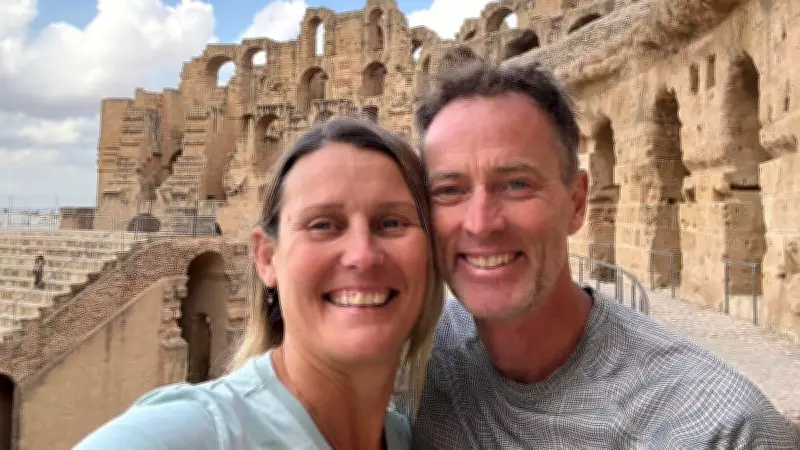
British National Detained in Iran Makes Urgent Appeal to UK Prime Minister
In a poignant voice message recorded from within the confines of Tehran's notorious Evin prison and subsequently shared with the international news agency Reuters, Craig Foreman, a British citizen held in Iran, has issued a direct and emotional plea to the United Kingdom's Prime Minister, Keir Starmer. Foreman is urgently calling upon the British leader to publicly and unequivocally reject the spying accusations levied against him by Iranian authorities.
A Desperate Situation Described as a 'War Zone'
Foreman's recorded message paints a harrowing picture of his and his wife's current circumstances. He described their living conditions as akin to existing within a 'war zone,' a stark metaphor highlighting the extreme psychological and physical duress they are enduring. The British national expressed profound frustration and a sense of abandonment, accusing the UK government of failing to adequately defend their innocence in the face of these serious allegations.
The core of Foreman's appeal centers on the demand for a clear, public statement from the highest levels of the British government. He believes that such a declaration from Prime Minister Starmer is crucial to counter the narrative being propagated by Iranian officials and to assert his status as an innocent individual caught in a complex geopolitical dispute.

Context of the Detention and International Relations
This case emerges against a backdrop of historically tense relations between the United Kingdom and Iran. Detentions of foreign nationals, often on charges of espionage, have been a recurring point of diplomatic friction. Evin prison, located in Tehran, is internationally known for housing political prisoners and has been frequently criticized by human rights organizations for its conditions.
The sharing of this voice message with Reuters on March 23, 2026, represents a strategic move to amplify Foreman's plight on the global stage. It places direct pressure on the newly incumbent UK government under Keir Starmer to address the case as a matter of priority. The accusation of governmental failure to defend their innocence adds a layer of domestic political pressure, compelling a response from London.
The situation underscores the precarious position of foreign nationals in jurisdictions where diplomatic relations are strained. Foreman's public appeal bypasses traditional, often slow-moving, diplomatic channels, seeking immediate international attention and intervention to secure his release and clear his name from what he maintains are baseless spying allegations.






