

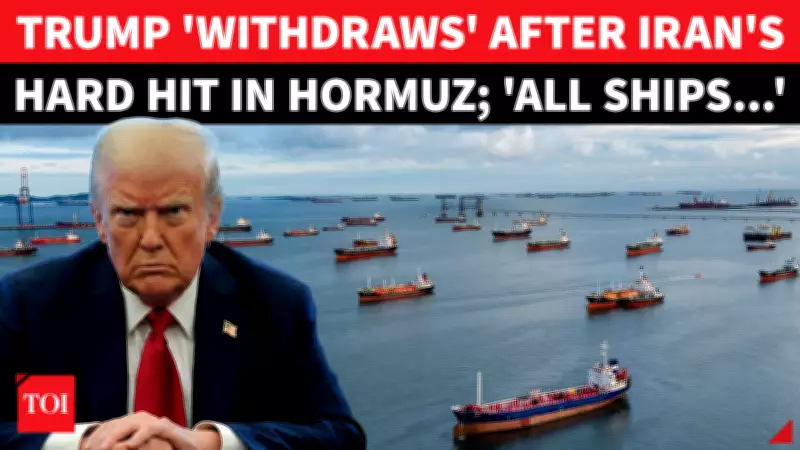
President Donald Trump has declared the end of the Strait of Hormuz blockade and authorised the reopening of one of the world's most critical energy routes following a landmark agreement with Iran. The breakthrough comes after fourteen hours of marathon negotiations and a ceasefire deal aimed at ending hostilities. Iran has confirmed the agreement, while US Vice President JD Vance plans to attend the signing ceremony in Switzerland. Oil markets reacted sharply as investors anticipated renewed flows through the strategic waterway.
Details of the Agreement
The historic deal was reached after intense diplomatic efforts, with both sides agreeing to a ceasefire and the removal of naval restrictions in the Strait of Hormuz. The waterway, through which about 20% of the world's oil passes, had been a flashpoint for tensions between the two nations. The agreement is expected to stabilise global oil markets and reduce shipping costs.
Reactions and Implications
Oil prices dropped significantly following the announcement, as traders priced in the return of Iranian crude to global markets. Analysts predict a potential easing of inflationary pressures worldwide. Meanwhile, US Vice President JD Vance is set to travel to Switzerland for the formal signing ceremony, underscoring the administration's commitment to the deal.

Iranian officials hailed the agreement as a victory for diplomacy, while critics in the US questioned the terms. The deal marks a significant shift in US foreign policy under President Trump, who had previously taken a hardline stance against Iran.






