US Excludes Israel from Iran Strikes to Contain Escalation
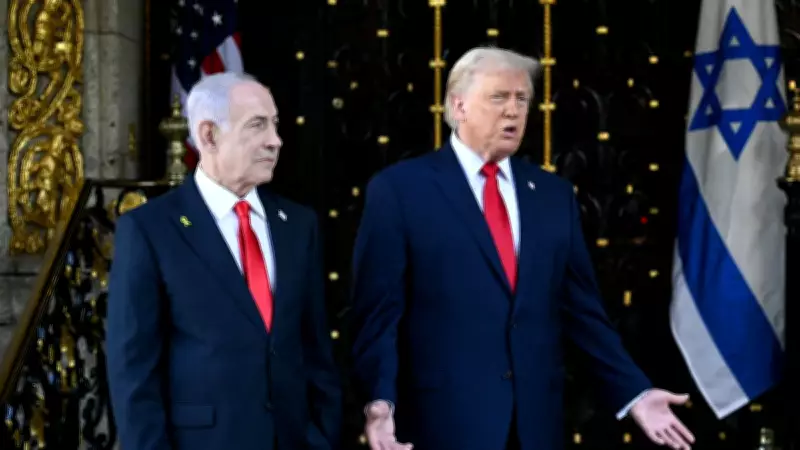
The United States is deliberately avoiding Israeli involvement in its military strikes on Iran to prevent the conflict from spiraling into a broader regional war, according to US officials familiar with the matter. The decision reflects Washington's strategy to keep the confrontation limited and avoid triggering a full-scale war in the Middle East.
Strategic Decision to Limit Scope
US officials have stated that involving Israel could provoke a stronger reaction from Iran and its proxies, potentially drawing in Hezbollah and other groups. By keeping Israel out of the direct operational loop, the US aims to signal that the strikes are not part of a wider campaign against Iran but are targeted responses to specific provocations. This approach is consistent with the Biden administration's broader policy of de-escalation in the region.
Impact on Regional Dynamics
Israel has been a key ally of the US in the region, but its inclusion in strikes could complicate diplomatic efforts. Iran has warned that any attack involving Israel would be met with severe retaliation, including potential strikes on Israeli territory. The US decision is seen as an attempt to minimize the risk of a multi-front conflict that could destabilize the entire Middle East.

Quotes and Reactions
“The US wants to avoid giving Iran any pretext to expand the conflict,” said a senior administration official who spoke on condition of anonymity. “Including Israel would change the nature of the operation and could lead to unintended consequences.” Israeli officials have not publicly commented on the US decision but have expressed support for Washington's efforts to counter Iranian aggression.
Background of Tensions
The US has conducted a series of airstrikes against Iranian-linked targets in Syria and Iraq in recent weeks, following attacks on US forces by Iran-backed militias. The strikes have killed at least 25 militants, according to US estimates. Iran has condemned the attacks and vowed to respond, raising fears of a cycle of retaliation.
Future Outlook
Analysts say the US strategy may help contain the conflict temporarily, but the underlying tensions remain high. Iran has continued to enrich uranium at near-weapons-grade levels, and its proxies remain active in the region. The US is likely to continue its calibrated approach, while pressing for diplomatic solutions through channels like the UN and the European Union.