

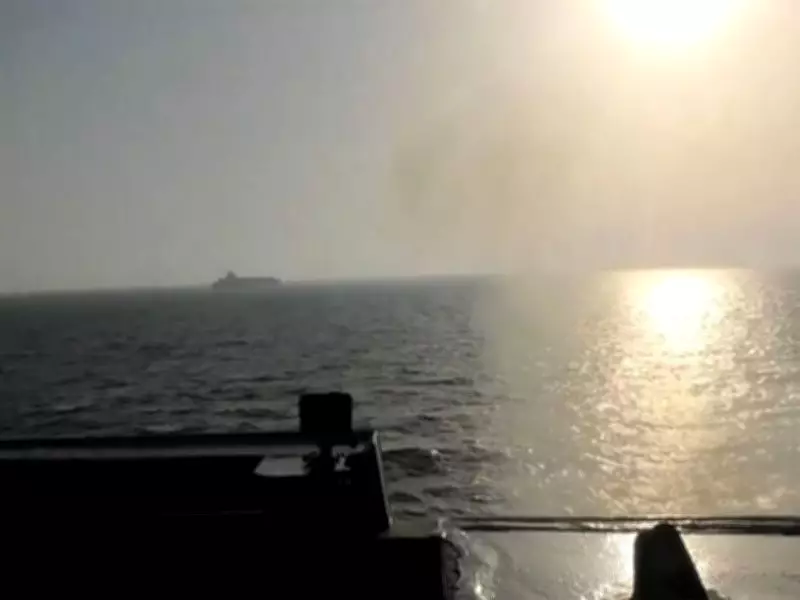
US Forces Intercept Iranian Vessel Touska in Gulf of Oman, Fire Rounds to Disable It
In a significant maritime security incident, US Central Command (CENTCOM) has officially confirmed the interception of the Iranian vessel Touska in the Gulf of Oman. According to CENTCOM, US forces engaged the vessel, firing several rounds to disable it, marking a notable escalation in regional tensions. This operation underscores the ongoing strategic challenges in Middle Eastern waters, where naval activities have been closely monitored amid broader geopolitical disputes.
Details of the Interception Operation
The interception occurred in the Gulf of Oman, a critical waterway for global oil shipments and a frequent site of naval confrontations. CENTCOM stated that the Touska was targeted due to suspected illicit activities, though specific details regarding the nature of these activities were not immediately disclosed. US forces, operating under standard maritime security protocols, initiated the engagement after attempts to communicate with the vessel were reportedly unsuccessful.
The decision to fire rounds was made to neutralize the vessel's operational capabilities, ensuring it could not pose a threat to maritime traffic or US interests in the region. This action reflects a proactive stance by US military authorities in addressing potential security threats in volatile areas.

Regional and International Implications
This incident occurs against a backdrop of heightened tensions between the United States and Iran, with previous confrontations involving naval vessels and drone strikes in the Middle East. The Gulf of Oman has been a focal point for such incidents, given its strategic importance for energy exports and military presence.
The interception of the Touska is likely to draw reactions from international stakeholders, including regional powers and global allies monitoring stability in the area. It highlights the persistent risks of escalation in maritime domains, where even minor skirmishes can have broader diplomatic and security ramifications.
Analysis of CENTCOM's Statement
CENTCOM's confirmation provides official validation of the event, emphasizing the US military's commitment to maintaining security in key waterways. The command noted that the operation was conducted in accordance with international maritime laws and aimed at preventing unlawful activities. However, the lack of detailed information on the Touska's cargo or mission leaves room for speculation regarding the underlying motives and potential connections to broader Iranian military or economic strategies.
Key points from the statement include:
- The interception was a measured response to perceived threats.
- US forces exercised restraint by targeting only to disable, not destroy, the vessel.
- This event is part of ongoing efforts to counter destabilizing actions in the region.
Broader Context of US-Iran Relations
The US-Iran relationship has been fraught with conflicts over nuclear programs, regional influence, and maritime security. Incidents like the Touska interception serve as reminders of the fragile balance in the Middle East, where military posturing often intersects with diplomatic negotiations. Recent years have seen similar encounters, including seizures of vessels and exchanges of fire, contributing to a cycle of tension that impacts global energy markets and international peace efforts.
As this situation develops, observers will be watching for responses from Iranian authorities and potential impacts on upcoming diplomatic talks or military deployments in the region.






