Ceasefire Violations Trigger New Crisis in Strait of Hormuz
The fragile ceasefire between the United States and Iran is on the verge of collapse after three commercial vessels came under attack in the Strait of Hormuz within a span of 24 hours, according to reports from the US Central Command. The attacks, which occurred on July 6 and 7, 2026, mark the most serious breach of the truce since it was brokered in May 2026, raising fears of a broader regional conflict.
Details of the Attacks
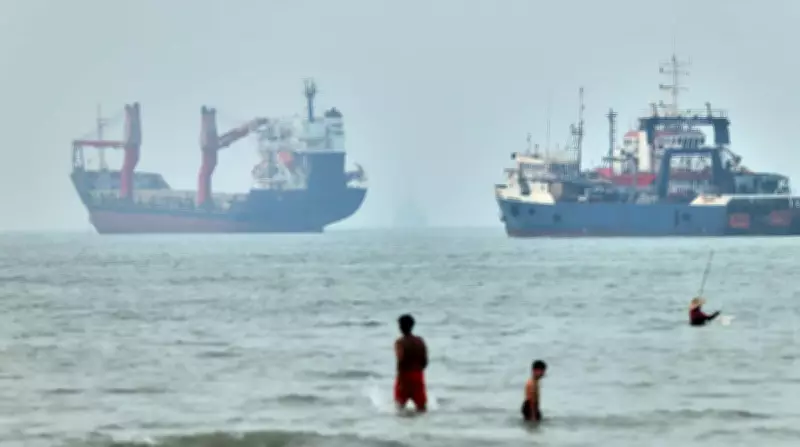
The first incident took place early on July 6 when an oil tanker registered in Liberia was struck by a drone near the Iranian coast. The vessel sustained minor damage but continued its voyage. Hours later, a second ship, a bulk carrier under the flag of the Marshall Islands, reported an explosion in its engine room after being targeted by a fast-attack craft. The crew managed to extinguish the fire, and no casualties were reported. The third attack occurred on July 7 when a container ship operated by a Danish company was hit by a missile while transiting the strait, causing significant structural damage and injuring three crew members.
US Response and Accusations
US Central Command quickly blamed Iran for the attacks, stating that "these acts of aggression are clear violations of the ceasefire agreement and threaten the free flow of commerce through one of the world's most vital waterways." A US Navy destroyer was dispatched to the area to assist the damaged vessels and provide security. The US has called for an emergency session of the United Nations Security Council to address the situation.

Iran Denies Involvement
Iran's Foreign Ministry denied any involvement in the attacks, calling the US accusations "baseless propaganda" aimed at undermining the ceasefire. "Iran remains committed to the ceasefire and has no interest in escalating tensions," said a ministry spokesperson. However, analysts remain skeptical, noting that the attacks bear the hallmarks of previous Iranian operations in the region.
Impact on Global Oil Markets
The attacks have sent shockwaves through global oil markets, with Brent crude prices surging by more than 5% to $92 per barrel on July 7. The Strait of Hormuz is a critical chokepoint for oil shipments, with about 20% of the world's petroleum transiting through it daily. Any sustained disruption could lead to supply shortages and higher fuel costs worldwide.
Diplomatic Efforts Falter
Diplomatic efforts to salvage the ceasefire are underway, with European Union mediators shuttling between Washington and Tehran. However, both sides remain entrenched in their positions. The US has demanded that Iran cease all provocative actions and allow international inspectors to verify compliance, while Iran insists on the lifting of all sanctions as a precondition for any further talks.
Regional Reactions
Gulf Arab states, particularly Saudi Arabia and the United Arab Emirates, have expressed alarm over the escalating situation. Saudi Foreign Minister Prince Faisal bin Farhan called for "immediate de-escalation" and urged all parties to respect the ceasefire. Meanwhile, Israel warned that it would not stand idly by if Iran continues to threaten maritime security, hinting at possible military action.
Broader Implications
The collapse of the US-Iran ceasefire would have far-reaching consequences beyond the immediate region. It could derail ongoing negotiations over Iran's nuclear program and embolden militant groups in Yemen, Syria, and Iraq. According to a report by the International Crisis Group, "the risk of a miscalculation leading to a full-scale war is higher now than at any point in the last two years."