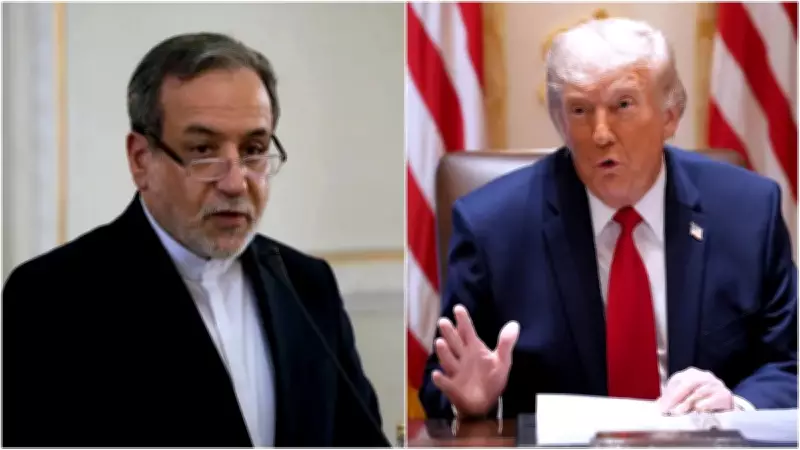
Qatar has confirmed that the latest round of US-Iran nuclear talks in Doha has yielded positive results, marking a potential breakthrough in the stalled negotiations. The development comes as former US President Donald Trump made a bold claim regarding the talks, asserting that a deal is imminent.
Qatar Mediates Productive Discussions
According to Qatari officials, the indirect talks between the United States and Iran in Doha were constructive, with both sides showing willingness to address key sticking points. The discussions focused on reviving the 2015 Joint Comprehensive Plan of Action (JCPOA), which has been in limbo since the US withdrawal in 2018. Qatar's role as a mediator has been crucial in facilitating communication between the two adversaries.
"The talks in Doha were positive and we are optimistic about the path forward," a Qatari foreign ministry spokesperson said. "Both parties have demonstrated a commitment to reaching a mutually acceptable agreement." The spokesperson added that further meetings are planned to build on the momentum.

Trump's Big Claim Sparks Debate
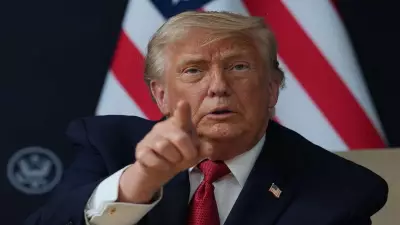
Meanwhile, Donald Trump, who is running for the presidency again, claimed that his administration's maximum pressure policy on Iran is the reason for the current diplomatic opening. "Iran is coming to the table because of the pressure we applied," Trump said in a statement. "They know that if I return to the White House, the deal will be even tougher." However, critics argue that the talks are progressing despite Trump's policies, which had previously derailed the nuclear accord.
The JCPOA, signed between Iran and the P5+1 (US, UK, France, Russia, China, and Germany), placed limits on Iran's nuclear program in exchange for sanctions relief. Since the US withdrawal, Iran has enriched uranium to levels exceeding the deal's limits, raising international concerns.
Key Details of the Doha Talks
The Doha negotiations, which took place over two days, covered issues including uranium enrichment levels, sanctions relief, and verification mechanisms. A senior Iranian official, speaking on condition of anonymity, said that "progress was made on several technical aspects." The official emphasized that Iran seeks a comprehensive agreement that ensures its economic interests are met.
The US delegation, led by Special Envoy for Iran Robert Malley, reportedly presented new proposals to address Iran's demands for lifting sanctions. In return, Iran is expected to commit to rolling back its nuclear activities beyond the JCPOA limits. The talks were held indirectly, with Qatari mediators shuttling between the two delegations.
Impact on Global Diplomacy
The positive outcome in Doha has been welcomed by European allies, who have been pushing for a diplomatic solution. The European Union's foreign policy chief, Josep Borrell, called the talks "an encouraging step" and urged both sides to maintain momentum. "We are ready to support the process in any way possible," Borrell said.
However, challenges remain. Hardliners in both Washington and Tehran oppose the deal. In the US, Republican lawmakers have criticized the Biden administration for engaging with Iran, while in Iran, conservative factions view any negotiation with the US as a concession. The upcoming US presidential election in 2024 adds another layer of uncertainty.
According to analysts, the success of the Doha talks hinges on the ability of both sides to compromise. "The window of opportunity is narrow," said Dr. Sarah Johnson, a Middle East expert at the Atlantic Council. "If a framework agreement is not reached soon, the situation could escalate."
Next Steps in the Nuclear Dialogue
Qatar has offered to host additional rounds of talks if needed. The Qatari foreign minister, Sheikh Mohammed bin Abdulrahman Al Thani, said that "we are committed to facilitating a peaceful resolution." The next round is expected to take place in Vienna, with the EU coordinating the negotiations.
Iran has reiterated its demand that the US provide guarantees that no future administration will unilaterally withdraw from the deal. The Biden administration has indicated it cannot legally bind a future president, but it is exploring ways to provide assurances through congressional action or executive orders.