

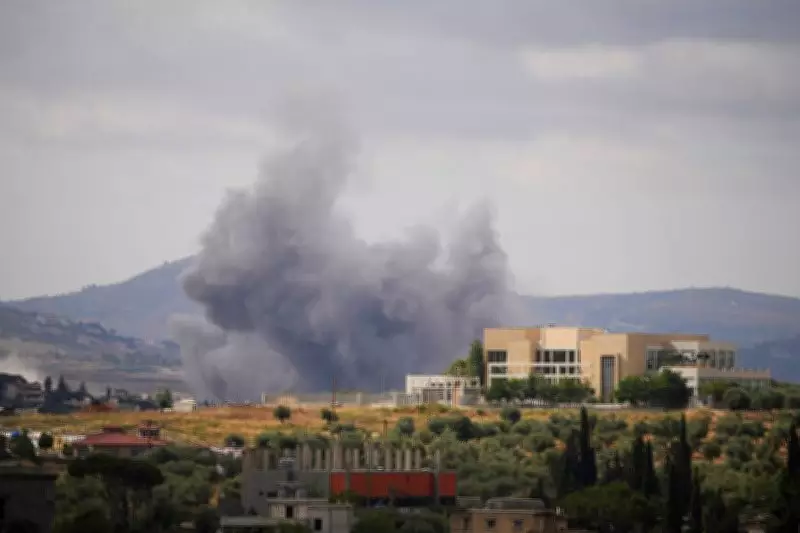
The United States and Iran have reached an interim agreement aimed at ending the ongoing war and reopening the strategically vital Strait of Hormuz. A formal signing ceremony is planned for Friday in Switzerland, though previous announcements have collapsed, and the precise terms remain disputed as of Monday.
Background of the Conflict
Iran exchanged fire with the US and Israel last week, threatening to reignite a full-scale regional war. The conflict, launched by the US and Israel on February 28, has severely disrupted oil and natural gas shipments from the Persian Gulf. A fragile ceasefire has been in place since April 7.
Key Components of the Deal
Nuclear Program: A 60-day period will be used to finalize terms regarding Iran's nuclear program. Iranian Foreign Minister Abbas Araghchi stated that the parties could decide to extend this period. The US and Israel fear Iran's nuclear ambitions could lead to an atomic weapon, a primary justification for the war. Tehran maintains its program is peaceful, though it possesses enough highly enriched uranium to build several bombs. A senior US official, speaking anonymously, said the agreement would begin destroying or removing Tehran's highly enriched uranium, a claim Iran disputes. The official did not specify who would remove the uranium, believed to be stored at three nuclear sites damaged by US strikes.

Strait of Hormuz: The deal includes provisions for reopening the strait, a critical waterway for global energy supplies. Araghchi said Iran wants to charge ships for services rendered during transit, a practice the US considers a violation of international law. The strait's closure has disrupted energy markets, raised fuel prices, and increased costs for food and fertilizer worldwide.
Sanctions Relief: The agreement is expected to include phased lifting of sanctions on Iran and the release of frozen Iranian assets, according to three regional officials who spoke on condition of anonymity.
Unresolved Issues
Lebanon: Pakistani Prime Minister Shehbaz Sharif announced that both sides declared an immediate and permanent termination of military operations on all fronts, including Lebanon. However, it remains unclear whether Israel, which relies on US support but has conducted its own campaigns against enemies since the October 7, 2023 attack, agrees to this term. Iran insists any deal must include a ceasefire in Lebanon, where Israel has been fighting the Iranian-backed Hezbollah. Israeli Defence Minister Israel Katz warned that Israel could act independently toward Iran and would not withdraw from occupied zones in Lebanon, Syria, Gaza, or the northern West Bank refugee camps.
As the world awaits the signing, the true achievements of the US and Israel remain in question, with many critical details yet to be resolved.






