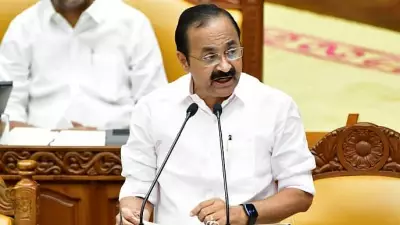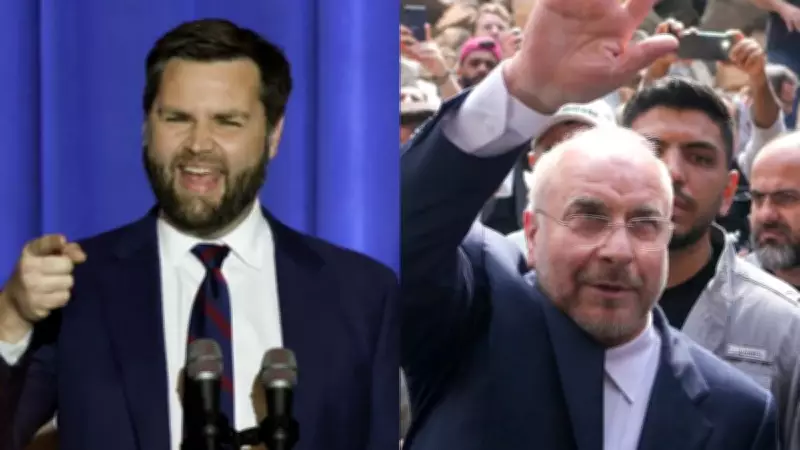
The United States and Iran have commenced high-stakes negotiations in Switzerland, aiming to revive the 2015 nuclear deal, unlock billions in frozen Iranian assets, and de-escalate regional tensions. The talks, which began on June 21, 2026, in Geneva, mark the first direct dialogue between the two adversaries in over a year.
Key Agenda: Nuclear Deal Revival
The primary focus of the talks is the Joint Comprehensive Plan of Action (JCPOA), from which the US withdrew in 2018 under President Donald Trump. Iran has since enriched uranium to 60% purity, close to weapons-grade levels. According to a senior US State Department official, Washington seeks “verifiable limits on Iran’s nuclear program” in exchange for sanctions relief. Iran insists on the removal of all sanctions imposed after 2017, including those by the Trump administration.
Frozen Funds and Economic Relief
Another critical issue is the release of approximately $6 billion in Iranian funds held in South Korea and Iraq, frozen under US sanctions. Iran’s Foreign Minister, Hossein Amir-Abdollahian, stated, “Unfreezing these assets is a humanitarian necessity and a test of US goodwill.” The funds are intended for purchasing food, medicine, and other essential goods. A US Treasury official confirmed that the administration is “exploring mechanisms to ensure the funds are used for humanitarian purposes only.”

Regional Security and Proxy Conflicts
Regional peace is also on the table, with both sides discussing Iran’s support for proxy groups in Yemen, Lebanon, and Syria. The US has linked progress on the nuclear deal to Iran’s restraint in regional conflicts. “We cannot separate the nuclear issue from Iran’s destabilizing activities,” said a White House national security spokesperson. Iran counters that its regional policies are defensive and non-negotiable.
Challenges and Expectations
The talks face significant hurdles. Iran’s demand for a US guarantee that no future president will abandon the deal is a sticking point, as such a commitment is constitutionally difficult. Additionally, Iran’s ballistic missile program and enrichment capabilities remain contentious. A European diplomat involved in the talks noted, “Both sides are signaling flexibility, but the gaps remain wide.”
Analysts expect the negotiations to be protracted. “A breakthrough is unlikely in this first round, but the mere resumption of dialogue is a positive step,” said Dr. Emily Landau, a nuclear nonproliferation expert at the Institute for National Security Studies. The talks are scheduled to continue for at least three days, with potential follow-up sessions in the coming weeks.