US Strikes Over 80 Targets in Retaliation for Strait of Hormuz Attacks
The United States launched fresh military strikes against Iran on July 7, 2026, in retaliation for Tehran's attacks on commercial shipping in the Strait of Hormuz. The US Central Command (CENTCOM) announced that its forces completed a new round of offensive strikes, hitting more than 80 targets with precision munitions.
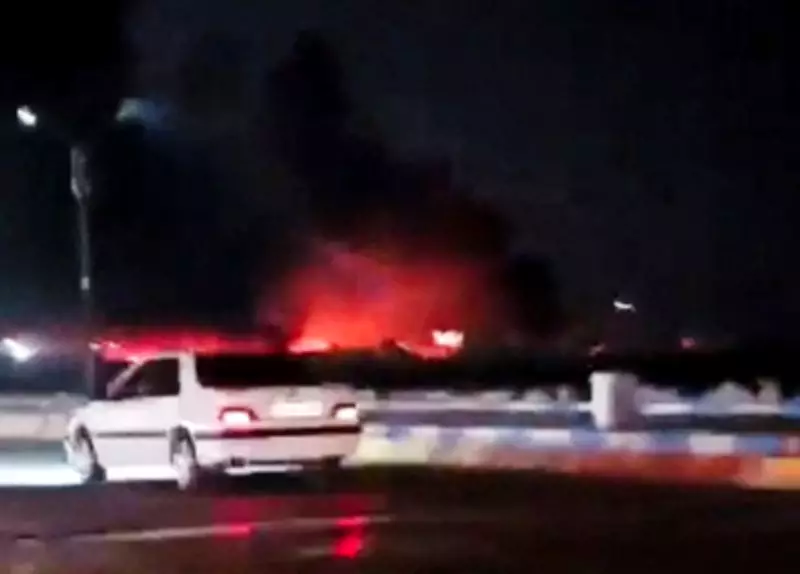
Iranian media reported explosions in the port city of Sirik, Bandar Abbas, and on Qeshm Island early Wednesday. The strikes targeted Iranian air defense systems, command and control networks, coastal radar sites, anti-ship missile capabilities, and more than 60 Islamic Revolutionary Guard Corps (IRGC) small boats in and near the strait, according to a CENTCOM statement.
US Accuses Iran of Attacking Three Commercial Vessels
The US accused Iran of recently attacking three commercial vessels transiting the Strait of Hormuz: the Marshall Islands-flagged MT Al Rekayyat, Saudi Arabia-flagged MT Wedyan, and Liberian-flagged MT Cyprus Prosperity. CENTCOM described the Iranian actions as "unwarranted aggression" and a "clear and dangerous violation of the ceasefire" that undermines freedom of navigation.

The operation was intended to degrade Iran's ability to continue attacking international commerce flowing through the strategic waterway, CENTCOM added. The US military said it remains prepared to hold Iran accountable for any further violations of the ceasefire agreement.
Fragile Ceasefire Under Pressure
The US and Iran had agreed to a ceasefire, but the truce remains fragile as negotiations continue for a comprehensive political settlement. The Memorandum of Understanding (MoU) to cease hostilities has faced criticism in both countries. In Iran, some protesters have called for the deaths of top negotiators, including Foreign Minister Abbas Araghchi and Speaker Mohammad Bagher Ghalibaf. Meanwhile, in Washington, DC, some Republicans have also criticized US President Donald Trump over the MoU.
The latest strikes mark a significant escalation in tensions between the two nations, raising concerns about further instability in the region and the security of global oil shipments through the Strait of Hormuz, a vital chokepoint for about 20% of the world's petroleum.