

US Military Buildup Near Iran: A Strategic Overview
The United States is actively enhancing its military footprint in regions proximate to Iran, marking a significant escalation in its strategic posture within the Middle East. This buildup involves a multifaceted deployment of forces, including naval assets, ground troops, and advanced weaponry, aimed at bolstering deterrence and operational readiness. The move comes amid ongoing tensions and geopolitical complexities in the region, reflecting Washington's commitment to safeguarding its interests and those of its allies.
Key Deployments and Strategic Locations
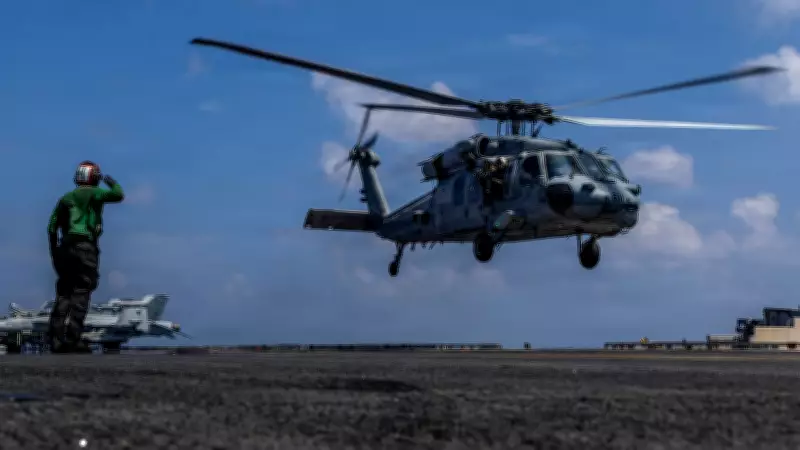
The US military buildup is concentrated in several critical areas near Iran, each chosen for its strategic importance. Aircraft carriers have been dispatched to the Persian Gulf and the Arabian Sea, providing a formidable naval presence capable of rapid response. Additionally, ground forces have been stationed in countries such as Iraq and Syria, where they conduct operations and maintain stability. These deployments are complemented by the positioning of missile defense systems and surveillance assets, enhancing the US's ability to monitor and counter potential threats.
Implications for Regional Security
This military buildup has profound implications for regional security dynamics. It signals a clear message of deterrence to Iran, potentially influencing Tehran's calculations in diplomatic and military arenas. The presence of US forces also affects neighboring countries, some of which host American troops as part of security agreements. Experts note that while the buildup aims to prevent conflict, it could inadvertently heighten tensions, leading to a delicate balance between preparedness and provocation.

Historical Context and Future Outlook
The current military buildup is not an isolated event but part of a broader historical pattern of US engagement in the Middle East. Past deployments have often been in response to regional crises or perceived threats. Looking ahead, the sustainability of this buildup will depend on evolving geopolitical factors, including diplomatic negotiations and Iran's own military posturing. Analysts suggest that a long-term strategy may involve rotational deployments and enhanced cooperation with regional partners to ensure stability.
In summary, the US military buildup near Iran represents a calculated move to reinforce its strategic position in the Middle East. By deploying advanced forces across key locations, the United States aims to maintain a robust deterrent capability while navigating the complex security landscape of the region.






