

US to Commence Naval Blockade of Iranian Ports from Monday
The United States is set to implement a significant military measure by initiating a naval blockade of Iranian ports, effective from Monday. This decisive action comes in the wake of the complete breakdown of peace talks between the two nations, which had aimed to resolve ongoing regional disputes and reduce hostilities. The failure of these diplomatic efforts has prompted the US to escalate its strategic posture, marking a critical juncture in US-Iran relations and broader Middle Eastern geopolitics.
Background and Context of the Failed Negotiations
Recent months saw intensive diplomatic engagements between US and Iranian officials, facilitated by international mediators, to address a range of contentious issues, including nuclear proliferation, regional security, and economic sanctions. These peace talks, held in neutral locations, were viewed as a potential pathway to de-escalation and stability in the volatile Middle East region. However, despite multiple rounds of discussions, fundamental disagreements on key points, such as sanctions relief and Iran's military activities, proved insurmountable, leading to an impasse and the eventual collapse of negotiations earlier this week.
Details of the Upcoming Naval Blockade
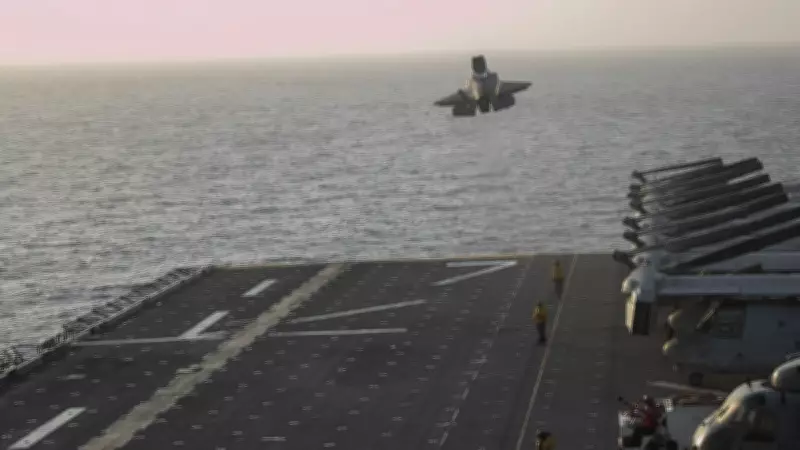
The planned naval blockade will involve US naval forces, including warships and support vessels, positioning themselves to intercept and inspect maritime traffic entering and exiting Iranian ports. This measure is designed to enforce existing sanctions and prevent the flow of prohibited goods, such as weapons and dual-use technologies, which the US alleges Iran uses to support proxy groups and destabilize the region. The blockade will primarily target major commercial and military ports along Iran's coastline, including Bandar Abbas and Chabahar, potentially disrupting global shipping routes and oil exports from the Persian Gulf.

Key aspects of the blockade include:
- Commencement Date: The blockade is scheduled to begin on Monday, with US forces already mobilizing in the region.
- Scope: It will cover all Iranian ports, with a focus on strategic locations critical to Iran's economy and military operations.
- Objectives: To curb Iran's ability to circumvent international sanctions and limit its regional influence through maritime channels.
Implications for Regional and Global Stability
The imposition of a naval blockade carries profound implications for regional stability and international relations. In the Middle East, this move is likely to heighten tensions, potentially triggering retaliatory actions from Iran, such as increased naval patrols or support for allied militias. Globally, the blockade could impact oil markets, as Iran is a significant producer, leading to potential price volatility and supply chain disruptions. Additionally, it may strain US alliances, with some international partners expressing concerns over the escalation and calling for renewed diplomatic efforts to avoid further conflict.
Potential consequences include:
- Increased military confrontations in the Persian Gulf and surrounding waters.
- Economic repercussions for Iran, including reduced trade and heightened isolation.
- Diplomatic fallout, with calls for multilateral interventions to prevent a broader crisis.
International Reactions and Future Outlook
International reactions to the US decision have been mixed, with some countries supporting the blockade as a necessary enforcement of sanctions, while others criticize it as a provocative act that could undermine peace efforts. Organizations like the United Nations have urged restraint and a return to dialogue, emphasizing the risks of escalation. Looking ahead, the situation remains fluid, with possibilities for renewed negotiations if both sides show flexibility, or further military measures if tensions continue to rise. The coming weeks will be crucial in determining whether this blockade leads to a prolonged standoff or prompts a diplomatic breakthrough.






