

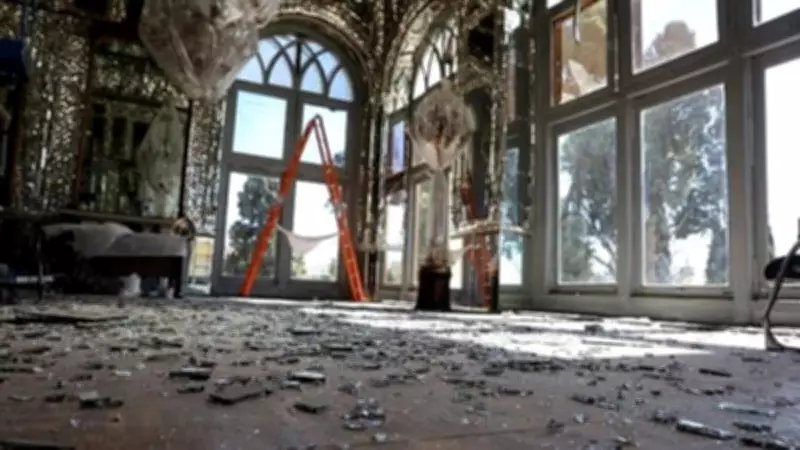
World Health Organization Confirms 18 Attacks on Healthcare Sites in Iran
The World Health Organization (WHO) has officially confirmed a disturbing series of attacks targeting healthcare facilities in Iran. According to the latest reports, the global health body has documented a total of 18 separate incidents where medical sites were assaulted, posing grave risks to both healthcare workers and patients.
Escalating Threats to Medical Infrastructure
These attacks represent a significant escalation in the threats faced by healthcare infrastructure in the region. The WHO's confirmation underscores the growing vulnerability of hospitals, clinics, and other medical centers during periods of unrest. Each incident not only disrupts critical health services but also violates international norms protecting medical facilities in conflict zones.
The precise locations and dates of these attacks have been carefully recorded by WHO officials, though specific details remain under review to ensure accuracy and context. The organization emphasizes that such assaults directly contravene the principles of medical neutrality, which are essential for maintaining public health during crises.

Impact on Healthcare Delivery and Worker Safety
The repercussions of these 18 attacks extend far beyond immediate physical damage. Healthcare workers in Iran are operating under increasingly perilous conditions, with many fearing for their safety while trying to provide essential medical care. Patients, particularly those with chronic illnesses or in need of emergency treatment, face heightened risks due to the disruption of services.
WHO data indicates that attacks on healthcare facilities can lead to:
- Severe shortages of medical supplies and equipment
- Prolonged closures of critical treatment centers
- Increased mortality rates among vulnerable populations
- Psychological trauma among medical staff and patients
International Response and Legal Implications
The World Health Organization has called for immediate action to protect healthcare sites in Iran and across the Middle East. International humanitarian law explicitly prohibits attacks on medical facilities, and the WHO is urging all parties to respect these legal obligations. The organization is collaborating with local authorities to enhance security measures and ensure the continuity of health services.
This situation highlights the broader challenges facing healthcare systems in conflict-affected areas globally. The WHO's documentation of these 18 incidents serves as a crucial reminder of the need for sustained international efforts to safeguard medical infrastructure. As tensions persist in the region, the protection of healthcare workers and facilities remains a paramount concern for global health security.






