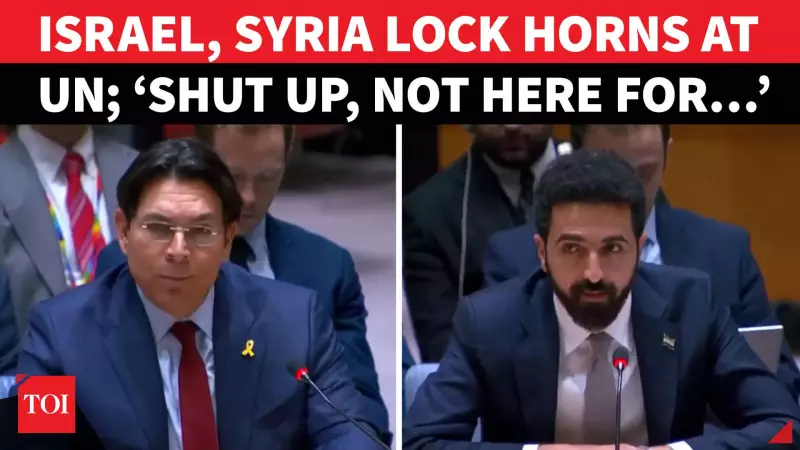
A diplomatic storm erupted on the floor of the United Nations on December 19, 2025, as representatives of Israel and Syria engaged in a bitter, public confrontation. The heated exchange, marked by sharp warnings and denials, centred on critical issues of border security, national sovereignty, and accountability in the volatile Middle East.
The Core of the Confrontation: Demands and Denials
The session turned tense when Israel's envoy, Danny Danon, laid down a firm marker. He explicitly demanded the establishment of a demilitarised zone along the border with Syria. Danon issued a stark warning, stating Israel would act decisively to protect its citizens and allies, citing the legacy of the October 7 attacks as a driving force for its current security posture.
"We will not tolerate any armed groups or foreign proxies near our borders," Danon asserted, directly holding the Syrian government in Damascus responsible for any activities originating from its territory. This pointed accusation placed the onus squarely on Syria for maintaining control over its soil and preventing threats to Israel.

Syria's Forceful Rebuttal and Counter-Charges
Syria's ambassador swiftly and categorically rejected the allegations from the Israeli side. The Syrian representative countered by claiming that Damascus fully adheres to international law and the terms of the 1974 disengagement agreement concerning the Golan Heights.
In a sharp retort, the Syrian envoy turned the tables, accusing Israel of repeated violations of Syrian sovereignty and international statutes. To settle the dispute, Syria called for an independent, international verification mechanism to assess the situation on the ground, challenging Israel's narrative and seeking external validation of its claims.
A Diplomatic Theatre with Global Observers
The verbal duel unfolded before the assembled members of the UN Security Council, transforming the chamber into a stage for high-stakes geopolitical friction. Reports noted that US officials present in the room remained silent observers, their stares capturing the intensity of the moment as the argument grew increasingly acrimonious.
This public spat underscores the deeply entrenched and unresolved tensions between the two nations. It highlights the fragile security architecture in the region, where historical grievances and immediate security concerns routinely collide in international forums. The incident signals that without a significant diplomatic breakthrough, such confrontations are likely to persist, keeping the risk of escalation ever-present.