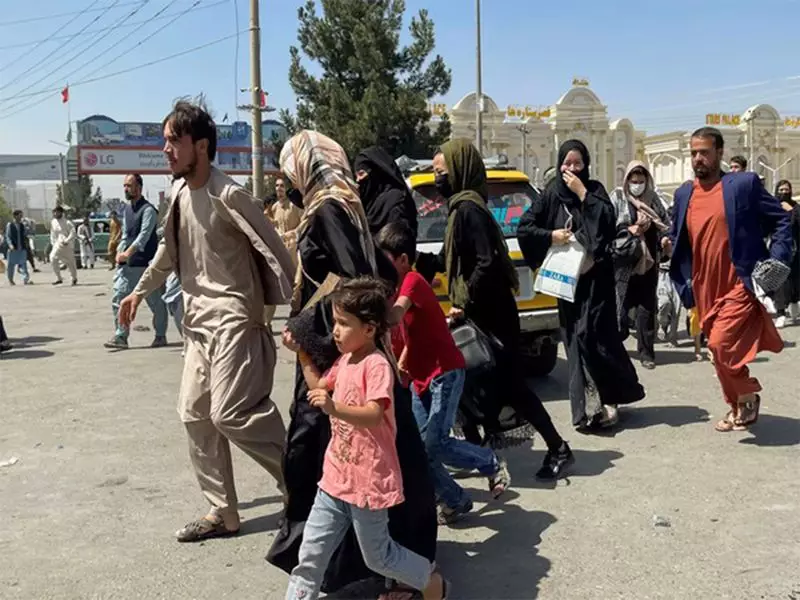
The United Nations has issued a stark warning about Afghanistan's deteriorating economic situation as the country struggles to absorb more than two million returning Afghans from neighboring countries. This massive influx of returnees is creating unprecedented pressure on an already fragile economy and limited resources.
Unprecedented Scale of Returns
Between September 15 and November 30, 2023, approximately 469,000 Afghans returned from Pakistan, adding to the growing humanitarian challenge. This recent wave compounds the existing crisis where over 1.5 million Afghans had previously returned from Pakistan and Iran since 2021.
The UN's International Organization for Migration (IOM) reported these alarming figures, highlighting that the total number of returnees has now crossed the two million mark. The majority of these returns have occurred since the Taliban regained control of Afghanistan in August 2021.

Immediate Humanitarian Needs
Returning families are arriving in desperate conditions, often with minimal possessions and limited resources to rebuild their lives. Many need urgent assistance including shelter, food, healthcare, and winter supplies as temperatures drop across the country.
The UN emphasizes that the approaching winter months will exacerbate the already dire situation. Many returnees lack adequate housing and warm clothing, putting vulnerable populations, particularly children and elderly, at serious risk.
Economic Strain and International Response
Afghanistan's economy, already weakened by decades of conflict and international sanctions, cannot sustain this massive influx without external support. The UN has called for increased international assistance to help Afghanistan cope with what they describe as one of the world's largest and fastest-growing displacement crises.
The organization warns that without immediate intervention, the situation could lead to further humanitarian suffering and economic collapse. The strain on essential services like healthcare, education, and employment opportunities is becoming increasingly severe.
International aid organizations are working to provide basic necessities, but resources are stretched thin. The UN's appeal for additional funding aims to address the most critical needs of both returnees and host communities affected by the population surge.