

UN Faces Scrutiny Over Gaza War Deadlock as US Achieves Hostage Release
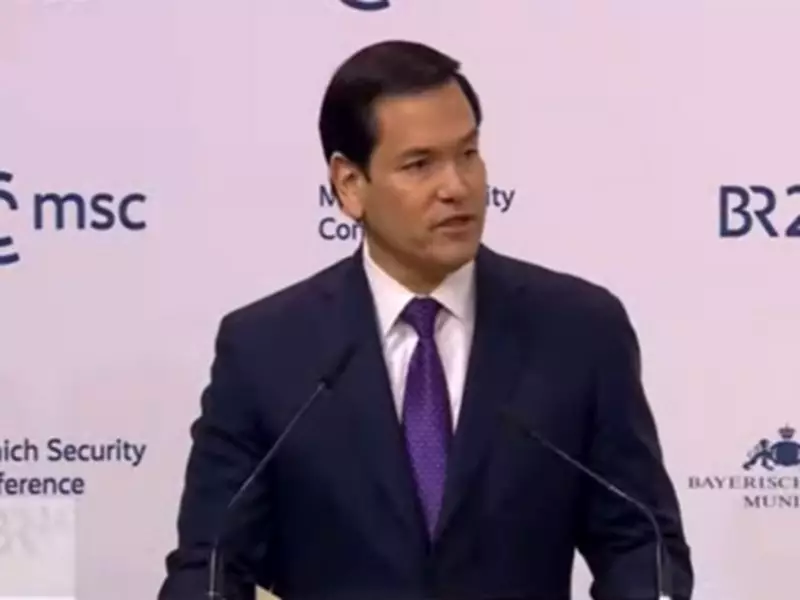
During the recent Munich Security Conference, a significant gathering of global security leaders, the United Nations came under sharp criticism for its perceived failure to effectively address and resolve the ongoing conflict in Gaza. The conference, held annually in Germany, served as a platform for high-level discussions on international security threats, with the Gaza war emerging as a central topic of debate.
Rubio's Strong Critique of UN Inaction
Prominent US Senator Marco Rubio delivered a pointed speech at the event, lambasting the UN for what he described as an inability to solve the protracted and devastating war in Gaza. Rubio, known for his foreign policy expertise, argued that the international body has been ineffective in mediating peace or implementing sustainable solutions, leading to continued violence and humanitarian crises in the region. His comments underscored a growing frustration among some Western policymakers with multilateral institutions' handling of complex conflicts.
US Success in Freeing Captives Amidst Conflict
In a related development, the United States government announced the successful liberation of several American captives who had been held in Gaza. This operation, which Rubio referenced in his address, was hailed as a testament to US diplomatic and security efforts in hostile environments. The release of these individuals, described by Rubio as being freed from "barbarians," highlights the ongoing risks faced by civilians and the critical role of national governments in securing their safety during wartime.

The Munich Security Conference provided a stark backdrop for these discussions, emphasizing the interconnected nature of global security issues. Experts at the event noted that the Gaza war, now in its latest phase, poses not only regional but also international stability concerns, with spillover effects potentially impacting broader Middle Eastern dynamics and global alliances.
Key Points from the Conference:- The UN's role in conflict resolution was questioned, with calls for reform or enhanced action in Gaza.
- US efforts in hostage rescue were praised as a model of proactive security engagement.
- Debates centered on balancing humanitarian aid with strategic military and diplomatic interventions.
As the conference concluded, participants urged for renewed international cooperation to address the Gaza crisis, stressing that without decisive action, the war could further destabilize an already volatile region. The events in Munich reflect a pivotal moment in global security discourse, where traditional institutions like the UN are being challenged to adapt to evolving threats.

