Two-Year-Old Chloe Detained in Federal Custody After Father's Immigration Arrest
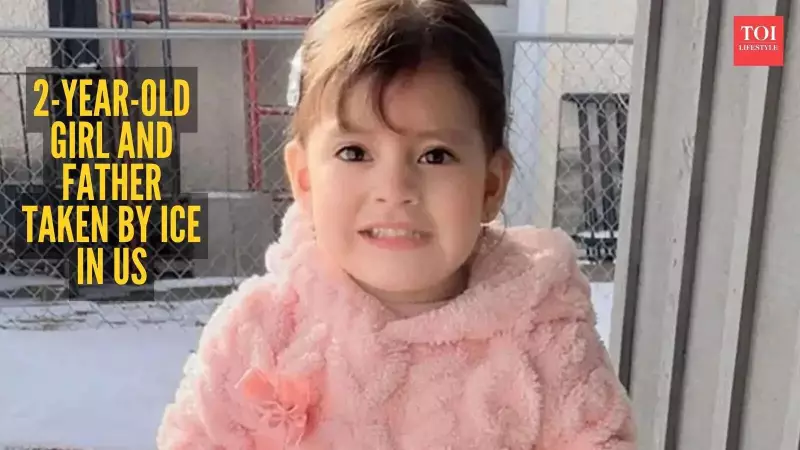
Chloe Renata Tipan Villacis, a vibrant two-year-old residing in Minneapolis, typically enjoys simple pleasures like accompanying her parents on outings. Until recently, concepts like immigration laws and federal agents were entirely foreign to her young mind. However, on January 22, her name unexpectedly became central to headlines across the United States, following a distressing incident that has ignited widespread concern and community action.
A Routine Errand Turns Into a Legal Nightmare
On that fateful day, Chloe was with her father, Elvis Joel Tipan Echeverri, returning from a grocery shopping trip in South Minneapolis. According to U.S. Immigration and Customs Enforcement (ICE), an agent observed Elvis driving in what was described as an "erratic" manner with a child in the vehicle, prompting a traffic stop. The situation rapidly escalated into a tense confrontation.
Federal officials reported that Elvis, an immigrant from Ecuador, refused to open his car door or roll down the window when instructed. He was subsequently accused of unlawful re-entry into the United States and placed under arrest. In a heartbreaking turn, Chloe, who was still inside the car, was taken into custody alongside her father, thrusting her into a complex legal and humanitarian crisis.

Conflicting Accounts and Community Backlash
The Department of Homeland Security later stated that officers attempted to hand the toddler over to her mother, Deicy Vilacis Ruiz, but claimed she declined to take Chloe at that moment. Officials added that law enforcement then assumed care for the child, ensuring she remained with her father. Both are currently being held together at a federal detention facility, though this official narrative has been met with skepticism and outrage.
Outside of the government's account, the incident has sparked significant anger and mobilization. Minneapolis City Councilmember Jason Chavez intervened to support the family, establishing a GoFundMe page titled "Help bring 2-year-old Chloe and her father home." The fundraiser aims to assist Deicy with bond payments, legal expenses, rent, and basic living costs. Demonstrating overwhelming public sympathy, the campaign surpassed the $50,000 mark within just a few days.
Protests Erupt at the Scene
The arrest itself drew a substantial crowd, with DHS reporting that approximately 120 people gathered at the location. Protesters blocked ICE vehicles and impeded agents from departing. According to the department, some individuals threw rocks and garbage cans toward the officers and the child, although this claim has been contested by witnesses.
Photojournalist Ellen Schmidt, who was present during the events, offered a different perspective through an Instagram post. She described bystanders shouting, blowing whistles, and protesting loudly as agents attempted to drive away. Schmidt also noted that chemical irritants were deployed on the crowd. DHS confirmed that "crowd control measures" were necessary to clear the area safely, highlighting the volatile nature of the confrontation.
Ongoing Uncertainty and a Simple Truth
As of now, Chloe remains with her father in federal custody, while her mother anxiously awaits their release. The case has become entangled in legal arguments, public protests, and official statements, yet at its core lies a stark and unsettling reality. A two-year-old girl left home for a simple grocery run with her father and did not return, her childhood innocence overshadowed by the harsh complexities of immigration enforcement.
This incident underscores broader debates about immigration policies, family separations, and the treatment of minors in detention systems. It has galvanized local support in Minneapolis and drawn national attention to the human stories behind immigration statistics, reminding us of the profound impact such encounters have on the most vulnerable individuals.