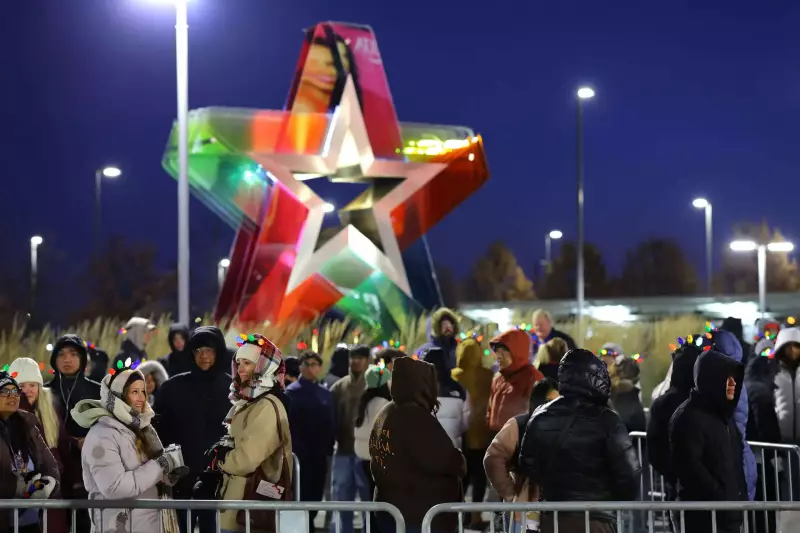
As the festive season reaches its peak, a cloud of financial worry hangs over many American households. New data reveals that a significant majority are rethinking their celebration plans as persistent inflation and economic pressures continue to squeeze budgets.
Poll Reveals Widespread Financial Strain During Holidays
A recent CBS News poll paints a stark picture of the economic mood. Only 8% of Americans find holiday purchases very easy to afford, while a combined 58% report varying degrees of difficulty. Specifically, 41% find them somewhat difficult to afford, and 17% describe them as very difficult. In contrast, just 34% find items somewhat easy to purchase.
This financial pressure is forcing a widespread scaling back of traditional festive activities. Many consumers are cutting down on gifts, leisure activities, and travel compared to last year, directly citing rising costs as the reason. The strain is most acute among those who perceive a sharp climb in prices, underscoring the deep financial divides within the country.

The Growing Divide Between Income Groups
The poll highlights a persistent and troubling split. Americans who describe their finances as being in good shape, typically those with higher incomes, are managing seasonal expenses with relative comfort. For these households, stock market performance often plays a key role in their financial health.
However, lower-income groups are disproportionately affected by inflation. The data shows that throughout 2025, around three-quarters of Americans felt their incomes were not keeping pace with rising prices. In the latest figures, 76% say their income is not keeping up with inflation, a sentiment that has changed little since the beginning of the year.
This divide directly impacts holiday sentiment. While 48% of people feel grateful and 43% feel happy, significant portions associate the season with stress (39%), exhaustion (29%), and sadness (23%). Those struggling to pay for essentials are far more likely to link the holidays to financial anxiety.
Lower Gas Prices Fail to Boost Consumer Spending
One small relief has emerged as the holiday rush nears: falling gas prices. Earlier in the year, the trend was largely upward. In October, 34% of Americans said gas prices in their area were rising. Now, that figure has dropped to 20%, while 32% report that prices are falling—a notable shift.
Despite this, the reprieve at the pump has not been enough to significantly alter spending behavior. Only a small proportion of Americans plan to increase their spending on gifts, entertainment, travel, or food and drink compared to previous years. Those finding it hard to afford holiday items are especially inclined to scale back, while plans to maintain or increase spending are largely confined to those with sound finances.
As 2025 draws to a close, inflation remains a dominant concern. Public confidence in the economy and the job market remains weak on balance, with almost half of Americans describing their financial situation as bad. For many, the festive spirit is being tempered by the very real pressures of household budgeting, setting the stage for a more subdued holiday season across the nation.