Indian-Origin GOP Leader Faces Criticism After Advocating for H-1B Visa Restrictions in Texas
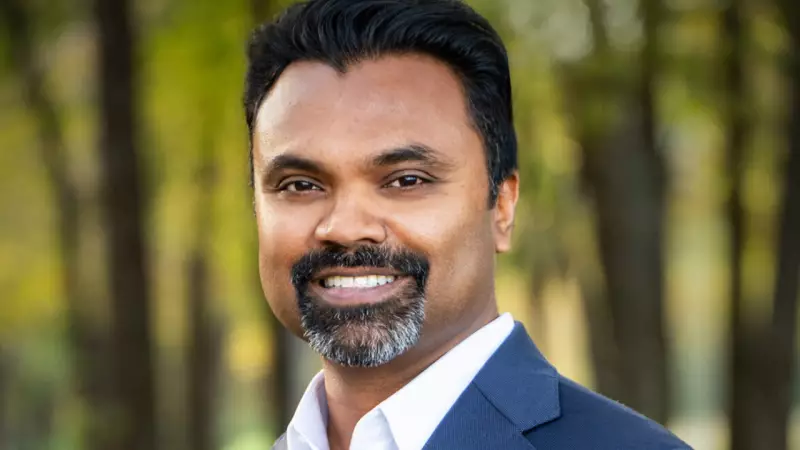
Abraham George, the Texas Republican Party chairman, recently found himself at the center of controversy after calling for a ban on H-1B visas in Texas universities, similar to the policy implemented in Florida. Unlike fellow Indian-origin Republican Vivek Ramaswamy, George comes from a Christian background in Kerala, India, yet he experienced firsthand the hostility that can emerge from within his own party's ranks.
The Florida Precedent and Texas Response
In October 2025, Florida Governor Ron DeSantis initiated a policy requiring state universities to cease using the H-1B visa program for hiring foreign workers. This policy has now been finalized, with a crucial vote scheduled for January 29 that could implement a one-year pause on H-1B hiring. Currently, Florida's state universities employ more than 600 workers through this visa program.
Reacting to this development, Abraham George publicly stated, "Texas should follow this. We should just ban it altogether." His comments were quickly supported by Representative Brent Money, who responded, "I'm already drafting bills for this."

Social Media Backlash and Personal Attacks
The response on social media was immediate and harsh. Despite his position within the Republican Party, George faced derogatory comments telling him to "go back to India" and questioning his American identity. Some users even used the offensive term "ricebag" in reference to his Christian background, highlighting how quickly political disagreements can turn personal and prejudiced.
This incident occurred against a backdrop of rising anti-India sentiment in Texas, where social media influencers have been creating content claiming an "Indian takeover" of the state. This narrative has entered political discourse, with conservative leader Alexander Duncan questioning the proliferation of Hindu temples in Texas and referring to Hindu deities as "false." More recently, Aaron Reitz, a candidate for Texas Attorney General, described Indians as "unassimilated and unassimilable" and promised to address H-1B visa abuses if elected.
Understanding the H-1B Visa Program
The H-1B visa program allows U.S. companies, including universities, to hire skilled professionals from foreign countries. While India dominates the information technology sector in terms of H-1B recipients, the program actually brings professionals from numerous countries to work in American universities and other institutions.
Abraham George's Personal Journey
Born in Kerala, India, to Christian parents, Abraham George came to the United States at age 16, though his family had begun the visa application process when he was just two years old. According to his official website, stories from family members already living in America instilled in him a "deep admiration for America's freedoms and opportunities."
Despite demonstrating strong academic potential, George entered the workforce immediately upon arrival, starting as a janitor's assistant at an IT manufacturing company. Through determination and hard work, he remarkably rose through the ranks to become national sales director by age 22, showcasing the immigrant success story that has long been part of the American narrative.
The Broader Implications
This controversy highlights several important dynamics in contemporary American politics:
- The complex position of immigrant politicians advocating for restrictive immigration policies
- The rising anti-India sentiment in certain political circles despite the significant contributions of Indian-Americans
- The tension between economic protectionism and the need for skilled foreign workers in specialized sectors
- The personal attacks that often accompany political disagreements in the age of social media
As the January 29 vote on Florida's H-1B ban approaches, and with Texas potentially considering similar measures, the debate over skilled immigration continues to evolve, revealing deeper questions about identity, assimilation, and economic policy in America.