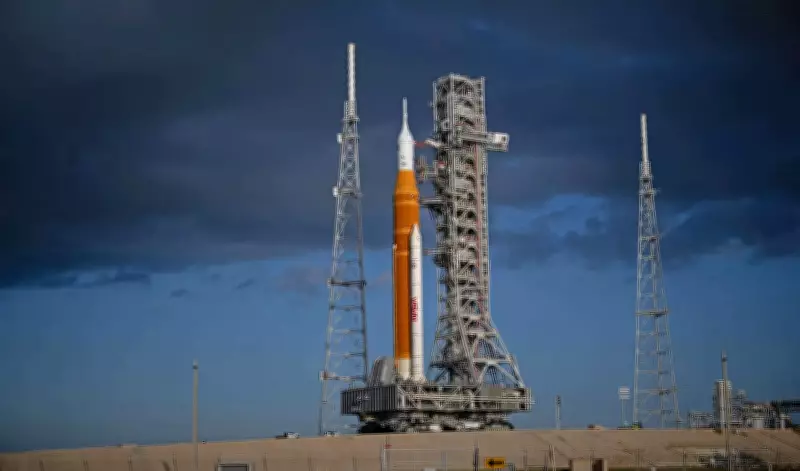
NASA's Artemis II Mission Awaits Launch with 80% Favorable Weather Forecast
As the countdown to NASA's Artemis II mission launch intensifies, global attention is focused not only on the historic journey to the Moon but also on the critical weather conditions that will accompany the liftoff. According to official announcements, there is an 80% probability of favorable weather at Kennedy Space Center in Florida, providing a positive outlook for this groundbreaking space exploration endeavor.
Artemis II Launch Weather Forecast: Understanding the 80% Favorable Rating
NASA has classified the Artemis II launch as 80% "go," indicating that meteorological conditions are generally conducive for a successful takeoff. This percentage reflects the likelihood that key weather factors—including wind speed, cloud thickness, and precipitation—will fall within the stringent safety parameters required for rocket launches. Such a high "go" rating is particularly encouraging for a mission of this magnitude, though it does not guarantee certainty due to the inherent unpredictability of weather patterns.
Meteorologists from the U.S. Space Force and NASA are vigilantly monitoring the situation, with special attention to cloud formations and wind conditions, which are primary contributors to launch delays. Even minor fluctuations in these elements could necessitate a postponement, underscoring the delicate balance between opportunity and caution in space missions.

Why Weather Plays a Pivotal Role in Space Launches
Weather stands as one of the most critical considerations in any space mission. Rockets, such as NASA's Space Launch System (SLS) used for Artemis II, must traverse multiple atmospheric layers, making them highly susceptible to environmental conditions. For instance, cloud cover can interfere with tracking systems and pose risks if associated with lightning strikes. Similarly, strong winds at higher altitudes may compromise the rocket's stability during ascent.
Recent updates from NASA highlight that cloud formation and potential strong winds are the primary concerns for the Artemis II mission. Adherence to specific weather criteria, such as the "Thick Cloud Rule," is mandatory to ensure safety. These regulations prevent launches when electrical charges in clouds could trigger lightning, emphasizing the rigorous protocols in place to mitigate hazards.
Final Countdown: Continuous Monitoring Until Liftoff
The Artemis II mission marks the first crewed voyage around the Moon in over five decades, representing a historic milestone in space exploration. Four astronauts will embark on a 10-day journey aboard the Orion spacecraft, testing essential systems for future lunar and deep-space missions. The favorable weather forecast adds to the excitement surrounding this event, yet NASA experts will maintain close surveillance of conditions until the moment of launch.
The launch window has been predetermined, but any adverse weather changes could result in delays ranging from hours to days. Flexibility is paramount in such scenarios, with safety remaining the top priority. While challenges like cloud cover and wind persist under observation, the overall weather outlook is largely supportive, aligning with NASA's objectives as humanity prepares to return to deep space.