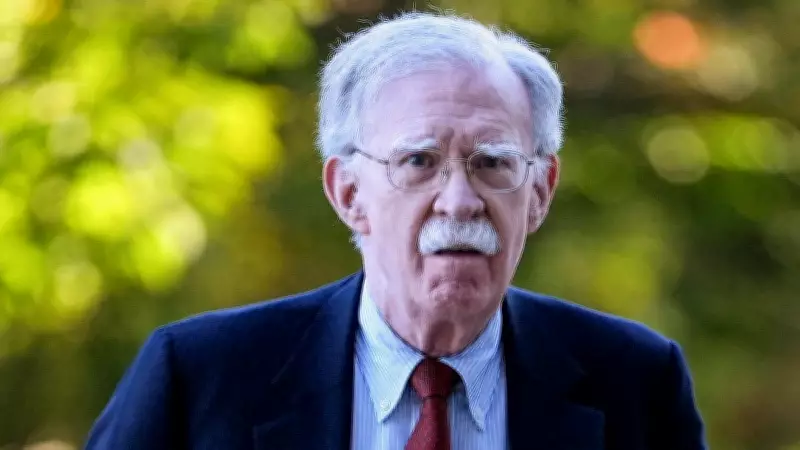
Former US National Security Advisor John Bolton Criticizes Ceasefire with Iran
In a recent statement, former US National Security Advisor John Bolton has made a bold claim that the ceasefire agreement between the United States and Iran is primarily driven by political compulsions rather than genuine strategic or diplomatic considerations. This assertion comes at a time of heightened tensions in the Middle East, where Iran's activities and US responses have been under intense scrutiny.
Bolton's Perspective on US Foreign Policy
John Bolton, known for his hawkish stance on Iran during his tenure under the Trump administration, argued that the current US administration is succumbing to domestic and international pressures to de-escalate conflicts. He emphasized that such decisions are often made to appease political allies or avoid backlash, rather than based on a long-term security strategy. Bolton stated, "When you see a ceasefire like this, it's usually a sign of political weakness, not strength. It's about managing optics rather than addressing the root causes of instability."
Context of the US-Iran Ceasefire
The ceasefire in question follows a series of incidents, including drone attacks and naval confrontations in the Persian Gulf, which had raised fears of a broader conflict. Key aspects of the situation include:

- Recent Escalations: Tensions spiked after Iran-backed militias targeted US forces in the region, leading to retaliatory strikes.
- Diplomatic Efforts: The ceasefire was reportedly brokered through indirect talks, with mediators from other countries involved.
- Political Backdrop: The US is facing election-year dynamics, with critics arguing that the administration is prioritizing short-term calm over robust policy.
Bolton's comments highlight a broader debate within US foreign policy circles about how to handle Iran, a nation accused of supporting terrorism and pursuing nuclear ambitions. He warned that temporary ceasefires could embolden Iran by signaling a lack of resolve from the US.
Implications for Middle East Stability
If Bolton's claims hold weight, the ceasefire might be fragile and subject to collapse if political winds shift. This could have significant repercussions:
- Regional Security: A breakdown in the ceasefire could reignite violence, affecting countries like Israel and Saudi Arabia.
- Global Economy: Instability in the Middle East often impacts oil prices and trade routes, with potential spillover effects worldwide.
- US Credibility: Perceptions of US foreign policy being driven by compulsions rather than principles might weaken its standing among allies and adversaries.
Experts note that while Bolton's views are controversial, they reflect ongoing divisions in how to approach Iran. Some analysts argue that ceasefires, even if politically motivated, can provide a window for diplomacy, whereas others echo Bolton's concerns about long-term risks.
Conclusion
John Bolton's assertion that the US-Iran ceasefire is underpinned by political compulsions adds a critical voice to the discourse on Middle East policy. As the situation evolves, it remains to be seen whether this agreement will lead to lasting peace or merely serve as a temporary fix amid deeper geopolitical challenges. The debate underscores the complex interplay between politics and security in international relations.