Massive Budapest Rally Demonstrates Strong Support for Orbán's Ukraine Stance
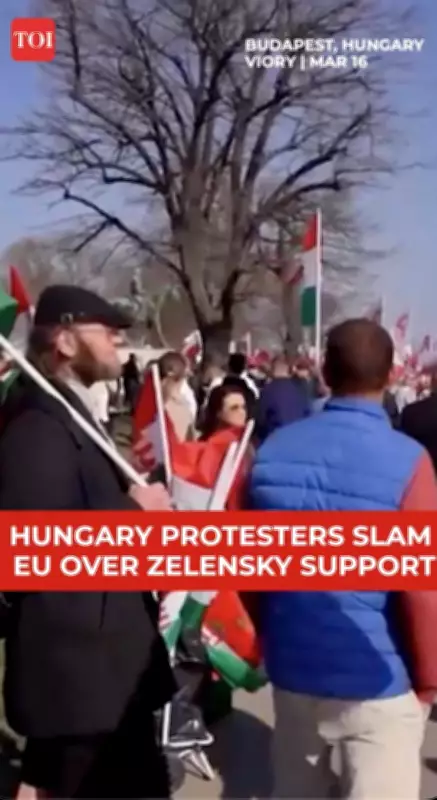
Thousands of fervent supporters of Hungarian Prime Minister Viktor Orbán converged in Budapest for a significant peace march, commemorating the anniversary of the Hungarian Revolution of 1848. The demonstration, marked by a sea of national flags, showcased robust backing for Orbán's controversial position on the ongoing Ukraine war.
Criticism of European Union's Support for Zelensky
Participants at the rally voiced sharp criticism against the European Union for its steadfast support of Ukrainian President Volodymyr Zelenskyy. Many argued passionately that Hungary must prioritize its own national interests above collective European policies. Chants and banners reflected a sentiment of defiance, with some demonstrators explicitly rejecting EU directives perceived as compromising Hungarian sovereignty.
Key Points from the Rally:- Supporters praised Orbán's diplomatic efforts, noting his outreach to both Kyiv and Moscow early in the conflict.
- Many credited the Prime Minister with pursuing peace initiatives from the onset, contrasting his approach with what they view as the EU's more aggressive stance.
- The rally served as a clear political signal that Hungary remains resistant to pressure from its European allies regarding its Ukraine policy.
Political Implications and National Sentiment
The event underscored a deepening divide between Hungary and other EU member states over the response to the Ukraine war. Orbán's supporters emphasized a narrative of national independence, framing the EU's support for Zelensky as counterproductive to peace efforts. This demonstration not only reinforced Orbán's domestic popularity but also highlighted the geopolitical tensions within Europe.

In summary, the Budapest peace march was a powerful display of Hungarian nationalism and a direct challenge to European unity on Ukraine, with implications for regional diplomacy and internal EU dynamics.