Candace Owens' Blunt Warning to Trump Sparks MAGA Movement Identity Crisis
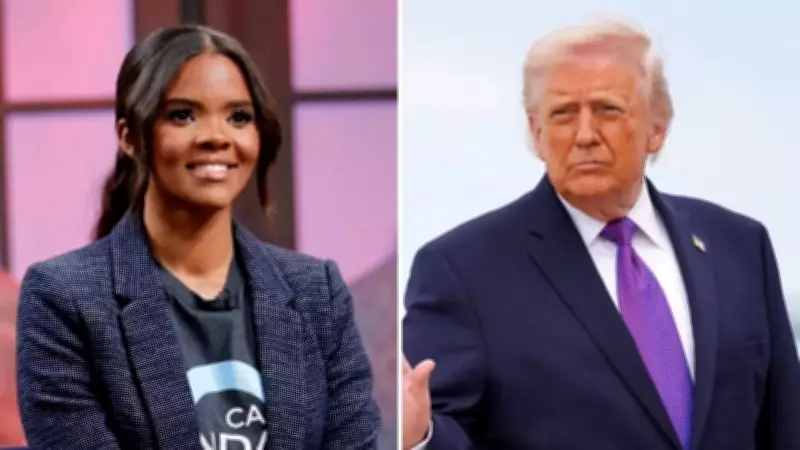
The political temperature surrounding Candace Owens and Donald Trump has escalated dramatically in recent days. What might have been dismissed as routine criticism just a week ago now carries profound implications for the future of the MAGA movement. Owens' statements strike directly at core issues of leadership, loyalty, and identity, provoking polarized reactions from supporters and critics alike.
A Raw and Unscripted Political Moment
This confrontation stands out precisely because it lacks the calculated, staged quality of typical political discourse. Owens' delivery feels urgent, authentic, and emotionally charged, capturing attention not just from political insiders but from ordinary viewers across the ideological spectrum. The viral clip has reignited discussions about Donald Trump's enduring influence while simultaneously opening new avenues of questioning about power dynamics within the movement.
"Who truly wields power in the MAGA movement today?" has become a central question emerging from this controversy. Owens' blunt warning challenges fundamental assumptions about Trump's legacy and current authority.

The Contentious Exchange: Loyalty and Legacy Questioned
In her pointed remarks, Owens addressed Trump directly with unprecedented candor: "Let me tell you something and this is just reality. Going back to just the rules of the jungle—let all the politicians and advisors around you evaporate for just a moment. Just you and me."
She continued with even sharper criticism: "People will not fight beside, behind, or for someone who is fundamentally disloyal. If disloyalty and deceit is in your nature, then I highly suggest that you combine it with silence. You can be what you are. But I would advise you do it quietly, Trump, because MAGA is no longer commanded by you and you know it. You belong to the Epstein class."
Owens concluded with her most provocative assertion about Trump's legacy: "That is your legacy now. People will see your name on buildings—whatever was agreed upon in those boardrooms, Jared Kushner, Trump Gaza Hotel, whatever you tweeted so crass. They will see that you will earn that. And then when they see it, they will think about how many children had to die or be raped by men on islands so that you could stick the Trump name upon a building."
Timing and Significance of the Critique
The significance of this moment extends beyond mere rhetorical tone. Owens speaks not as an external critic but as someone long regarded as a powerful voice within conservative media circles. This insider status lends her words substantial weight that external criticism typically lacks.
When a prominent figure from within a movement raises such尖锐 concerns, it often signals deeper unrest beneath the surface that may not yet be publicly visible. This incident highlights a growing evolution in how political loyalty is defined and evaluated—no longer simply about following a particular figure, but increasingly about trust, consistency, and public perception.
Broader Implications for Political Movements
Whether observers agree with Owens' stance or vehemently reject it, the impact is already manifesting in shifting conversations and more clearly drawn ideological lines. This episode represents more than just another chapter in the ongoing story of Donald Trump's role within MAGA; it potentially serves as a turning point that could shape the movement's trajectory for months to come.
The controversy underscores several important developments:
- The redefinition of loyalty within political movements
- The growing importance of authenticity over political calculation
- The potential fragmentation of previously unified voting blocs
- The evolving criteria for legitimate criticism within ideological communities
For those closely watching American politics, this feels like a moment with lasting consequences—one that may influence not just the MAGA movement's internal dynamics but potentially the broader conservative landscape as the 2024 election cycle approaches.