US Court Rules Harvard Researcher's Visa Cancellation Was Unlawful
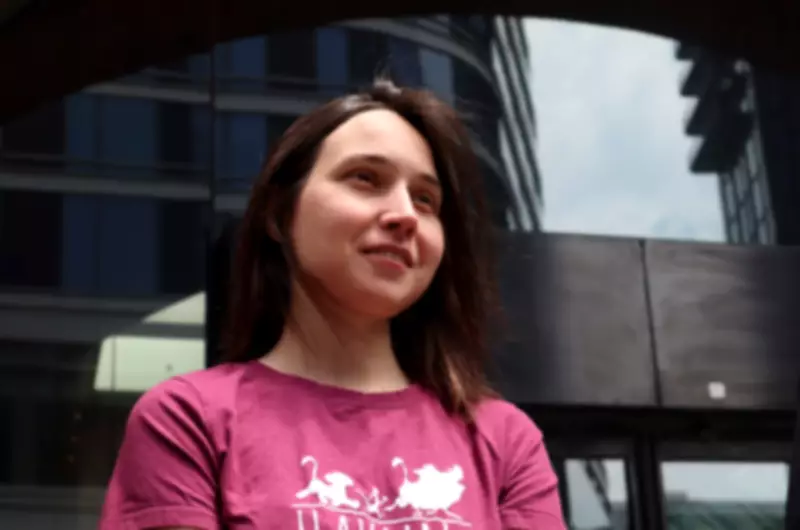
A United States District Court has delivered a significant ruling, declaring that the visa cancellation of Russian-born Harvard University researcher Kseniia Petrova by Customs and Border Protection at Boston Logan International Airport was unlawful. Judge Christina Reiss found that the agency exceeded its statutory authority, emphasizing that visa cancellations cannot be based solely on suspected smuggling of biological samples.
What Happened at the Airport
In February of last year, Petrova was stopped upon returning from France, where she had collected frog embryo samples for her scientific research. Customs and Border Protection officers questioned her extensively about these samples at the airport. Following this interrogation, the officers proceeded to cancel her visa. Petrova later stated that she was unaware the samples required declaration and firmly denied any intention to bring them into the country illegally.
The Court's Decision and Legal Reasoning
The court's ruling was clear and unequivocal. It determined that Customs and Border Protection possesses limited authority in visa matters and cannot revoke a visa based on a customs-related issue. Judge Reiss ruled that the agency had overstepped its jurisdiction by using the customs violation as grounds for the visa cancellation.

"The undisputed facts reveal that Ms. Petrova’s visa was impermissibly canceled because of the frog embryo samples and for no other reason," Judge Reiss wrote in her decision. She further noted, "The Federal Respondents cannot justify an unlawful visa cancellation for a customs violation by relying on what transpired after the visa cancellation took place."
The judge also highlighted that authorities did not permit Petrova to return to France and instead initiated deportation proceedings against her.
Detention and Subsequent Legal Proceedings
After her visa was cancelled, Petrova was detained and subsequently transferred to a US Immigration and Customs Enforcement facility in Louisiana. She challenged the decision through legal petitions. Federal prosecutors later charged her with smuggling and making false statements, with a grand jury indicting her on one count of smuggling and two counts of making false statements.
She remained in custody until mid-June, when a judge ordered her release. In a separate legal proceeding, she was granted permission to work and has since resumed her research at Harvard University, according to her attorney, Gregory Romanovsky.
"This ruling is an important step toward correcting what should never have happened in the first place," Romanovsky stated in response to the court's decision.
Government Response and Broader Implications
A spokesperson for the US Department of Homeland Security defended the agency's actions, asserting that Petrova was "lawfully detained after lying to federal officers about carrying substances into the country." The department reiterated the Trump administration's commitment to enforcing immigration laws.
However, the court's ruling establishes a critical legal precedent, stating that Customs and Border Protection cannot cancel visas on grounds outside its explicit authority and that such actions must strictly adhere to legal limits. Petrova's criminal case regarding the smuggling charges continues in court for now.