

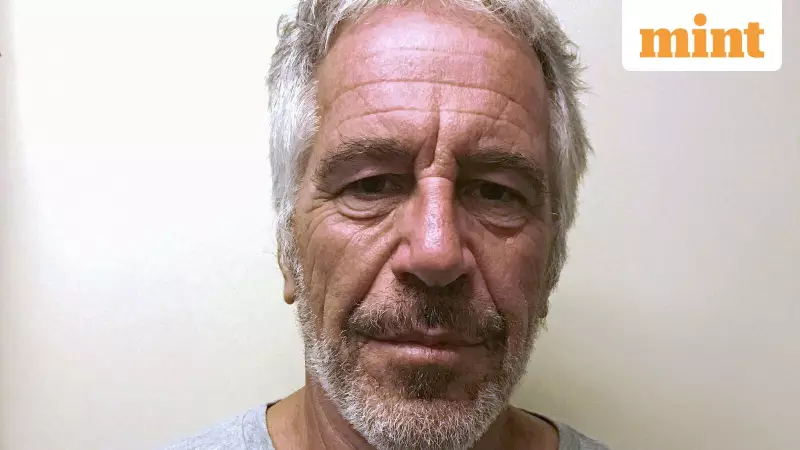
The US Justice Department, under President Donald Trump, is under a legal obligation to make public a trove of documents related to its investigations into the late financier and convicted sex offender Jeffrey Epstein. The deadline for this politically sensitive disclosure is Friday, December 20, as mandated by a new law passed by Congress last month.
Congress Forces Disclosure Amid Political Backlash
This legislative push came after months of mounting pressure, including significant dissent from within Trump's own supporter base. Many supporters had accused the administration of deliberately withholding sensitive information that could reveal the extent of Epstein's connections to powerful and influential figures. Despite initial resistance, where Trump urged Republican lawmakers to oppose the bill, he ultimately signed it into law after a public reversal just before the vote.
The law, however, provides certain safeguards. While it compels the Justice Department to disclose records, it does not require the release of all unclassified material. Officials are permitted to withhold information that could jeopardize active investigations or expose personal details of Epstein's victims. The exact mechanism and timing of the document release on Friday remain unclear.

Epstein's Death and a Cascade of Conspiracy Theories
The controversy has been fuelled for years by the circumstances of Jeffrey Epstein's death in August 2019. He was found dead in his Manhattan jail cell while awaiting trial on federal sex trafficking charges involving underage girls. Although the death was officially ruled a suicide, it spawned countless conspiracy theories, with many Trump voters alleging a cover-up to protect associates.
Adding fuel to the fire, Democrats on the House Oversight and Government Reform Committee have been progressively releasing materials from the Epstein estate. They recently made public another batch of over 60 photographs from Epstein's island and properties. These images, released without extensive context, included pictures of philosopher Noam Chomsky on a plane with Epstein, and Bill Gates with women whose faces were redacted.
Previous releases featured a who's who of powerful individuals, including Donald Trump, Bill Clinton, Steve Bannon, Woody Allen, and Richard Branson. The committee has stated these photos do not appear to show illegal activity and represent just a fraction of the roughly 95,000 images obtained.
Trump's Past Links and the Road to Disclosure
President Trump has acknowledged a past social acquaintance with Epstein before a falling out in the mid-2000s, long before Epstein's first conviction in 2008. Trump has consistently denied any wrongdoing and claims he was unaware of Epstein's criminal activities. In a retaliatory move after Democrats released initial emails and photos, Trump ordered the Justice Department to investigate Epstein's links to former President Bill Clinton and banking giant JPMorgan Chase.
Despite efforts from the White House to delay legislative action, Congress moved swiftly, passing the disclosure bill the following week. This sets the stage for what could become one of the most contentious and politically charged document releases of the Trump presidency, with the world watching to see what the files reveal about one of the most infamous scandals involving the global elite.






