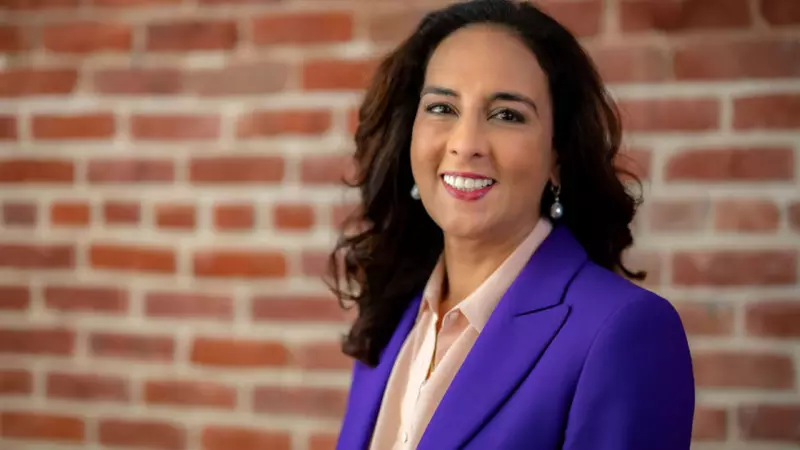
In a striking intervention, prominent conservative lawyer Harmeet Dhillon has publicly demanded a halt to the escalating public spats among right-wing influencers and media personalities. She characterised these conflicts as distracting internal battles and urged the movement to refocus its energy on substantive policy and governance issues facing the nation.
A Call for Unity Amid Public Disputes
Dhillon made her position clear in a blunt social media post, stating she was "bored" with what she described as "talking heads firing inside the tent." She emphasised the larger mission at hand, adding, "We have a country to fix." Her comments arrive during a fresh wave of visible disputes within circles aligned with the MAGA movement, where disagreements over ideology, foreign policy, and leadership have increasingly spilled into public view.
These rows, amplified by social media platforms, involve high-profile figures and organisations trading accusations and demanding accountability. The tensions have been particularly evident in recent weeks around events linked to Turning Point USA. Notable disagreements involving commentator Candace Owens and the group's founder, Charlie Kirk, have touched on sensitive topics like antisemitism, U.S. support for Israel, and differing interpretations of "America First" priorities, drawing in numerous podcasters and online personalities with massive followings.

Policy Over Politics: Dhillon's Core Argument
While not naming specific individuals, Dhillon framed the ongoing public feuds as a significant diversion from urgent national challenges. She argued that prolonged infighting risks weakening the conservative movement's credibility with audiences beyond its core base. Instead, she urged conservatives to channel their efforts toward concrete policy objectives.
Her stated priorities include:
- Election integrity
- Economic reform
- Effective governance
Her appeal for unity found resonance with several other prominent conservative voices. Figures like Kari Lake and Christopher Rufo supported the call, suggesting that airing internal disputes publicly primarily hands an advantage to political opponents rather than advancing shared conservative goals.
The Debate Over Internal Accountability
However, Dhillon's critique did not go unchallenged. Some activists and critics pushed back, contending that the conflicts she dismissed as "inside-the-tent" fights are necessary. They argue that openly confronting what they view as damaging or extreme ideas within the movement is a form of essential internal accountability.
These critics warn that avoiding open ideological confrontation in the name of superficial unity could allow fundamental rifts to fester and deepen unresolved. This exchange highlights a persistent tension within the post-2024 conservative landscape: the balance between cohesion and message discipline versus the perceived need for public ideological debate to ensure purity and direction.
As MAGA-aligned politics continues to operate within a decentralised media ecosystem dominated by influencers and independent voices, Dhillon's call reflects a growing unease among more establishment-oriented conservatives. There is a concern that influencer-driven feuds are dominating public attention and media cycles, while critical policy debates are sidelined.
Whether her appeal to "join up" will calm the current round of disputes remains to be seen. Nonetheless, her remarks underscore a broader anxiety within the movement: at a time of heightened political stakes, continuous internal warfare may ultimately prove more costly to its objectives than its participants intend.