The United States Justice Department has officially defended the Trump administration's controversial decision to bar an Associated Press reporter from accessing the Oval Office, marking a significant development in the ongoing tension between the former president and press organizations.
Legal Defense of Press Restrictions
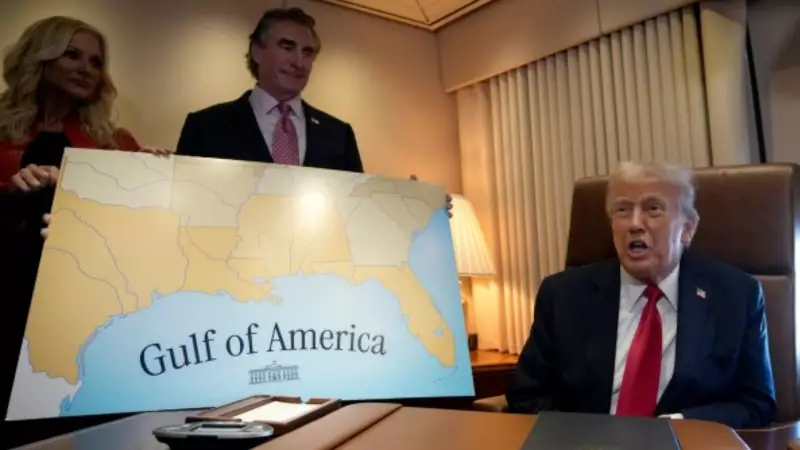
In a recent court filing, Justice Department lawyers argued that the Trump administration acted within its rights when it suspended the White House press credentials of Associated Press journalist Zeke Miller. The incident occurred during a crucial press briefing in the Oval Office, where Miller was reportedly removed from the premises by security personnel.
The government's legal team contended that the Oval Office represents the president's personal workspace, and therefore, the administration maintains broad discretion over who can enter this sensitive area. They emphasized that such decisions fall under the president's executive authority to manage White House operations and ensure security protocols.

Background of the Controversial Incident
The confrontation that led to the ban unfolded during a press availability session with then-President Donald Trump and NATO Secretary-General Jens Stoltenberg. According to multiple accounts, Miller attempted to ask questions about the administration's policies, which resulted in his removal from the Oval Office.
Following the incident, the Associated Press strongly condemned the action, calling it an unprecedented violation of press freedom and First Amendment rights. The news organization immediately filed a legal challenge, arguing that the ban constituted viewpoint discrimination and set a dangerous precedent for media access to government officials.
White House officials at the time justified their actions by claiming that Miller had disrupted the proceedings and violated established protocols for press conduct during official events. However, multiple journalists present during the incident disputed this characterization, stating that Miller was following standard journalistic practices.
Broader Implications for Press Freedom
This legal battle represents a much larger conflict between the Trump administration and various media organizations. Throughout his presidency, Trump frequently criticized news outlets, often labeling them as fake news and accusing them of spreading misinformation.
Media advocacy groups have expressed deep concern about the Justice Department's position in this case. They argue that if the courts uphold the administration's authority to ban journalists from the Oval Office without substantial justification, it could fundamentally alter the relationship between the press and the presidency.
First Amendment experts have warned that such precedents could empower future administrations to selectively exclude critical journalists from important government proceedings, thereby limiting transparency and public accountability.
The case continues to work its way through the judicial system, with media organizations and free press advocates closely monitoring each development. The outcome could establish important legal boundaries regarding press access to the highest levels of government and define the limits of presidential authority over White House media operations.