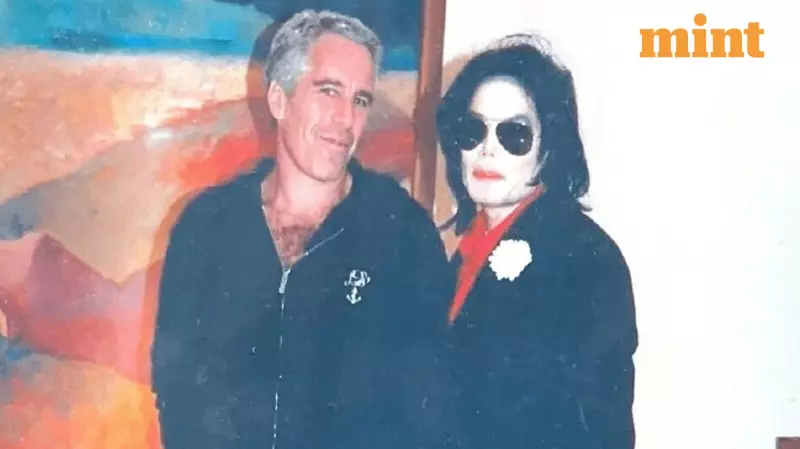
In a move driven by demands for greater transparency, the United States Department of Justice on Friday, December 19, made public a long-awaited trove of documents related to the late financier and convicted sex offender, Jeffrey Epstein. While the initial release offers limited major revelations due to heavy redactions, it provides a fresh look into the scale of government probes and refocuses attention on Epstein's web of powerful connections.
What the First Batch of Epstein Files Reveals
The Justice Department published approximately 4,000 files under a "DOJ Disclosures" label. This initial tranche is dominated by photographs taken by the FBI during searches of Epstein's properties in New York City and the US Virgin Islands. The release also included images of boxes, folders, and envelopes containing materials from multiple investigations.
However, the promise of new information is tempered by extensive censorship. Many documents were heavily redacted to protect sensitive information. A 119-page document, believed to contain grand jury testimony, was entirely blacked out. Three other files, each over 100 pages, met the same fate. Material containing victims' personally identifiable information was also withheld.

High-Profile Names and Photographs
The visual records put several famous faces back in the spotlight. Numerous images feature former US President Bill Clinton in social settings linked to Epstein and his associate, Ghislaine Maxwell. These include scenes on a private plane, by a swimming pool, and in a hot tub with women whose faces are redacted.
Other photographs show Clinton with Maxwell and an unidentified person, as well as images featuring the late pop star Michael Jackson and singer Diana Ross. A painting of Clinton in a blue dress, which was displayed in Epstein's New York home, was also part of the release. The files provide no additional context for these images.
Despite ongoing political controversy, references to former President Donald Trump were minimal. The few images of Trump appear to have been publicly available for years, and he made no public comments regarding the document dump. Britain's Prince Andrew appears in at least one photo, reclining across the laps of women at a formal event.
Scope of Investigation and Unanswered Questions
The files offer evidence of the extensive investigative material gathered by authorities. Images show envelopes, folders, and boxes containing materials from various probes into Epstein and Maxwell, including police investigations in Palm Beach, Florida, and telephone surveillance from 2009.
A separate batch of 120 FBI photographs added mostly context rather than content, showing boxes, folders, and computer hardware—including CDs and hard drives—from Epstein's Little St. James property. Some images are related to the investigation into Epstein's August 2019 suicide at the Metropolitan Correctional Center. These include a hard drive labeled as containing security camera footage from the facility's special housing unit.
While the White House has framed the release as a historic step toward transparency, the heavily redacted nature of the documents means many questions persist. Key details about the full extent of Epstein's network, the scope of government knowledge over the years, and the precise nature of his connections with high-profile figures remain unresolved, ensuring public and media scrutiny will continue.