Foreign Policy Expert Draws Parallel Between Trump's Actions and Hollywood War Narratives
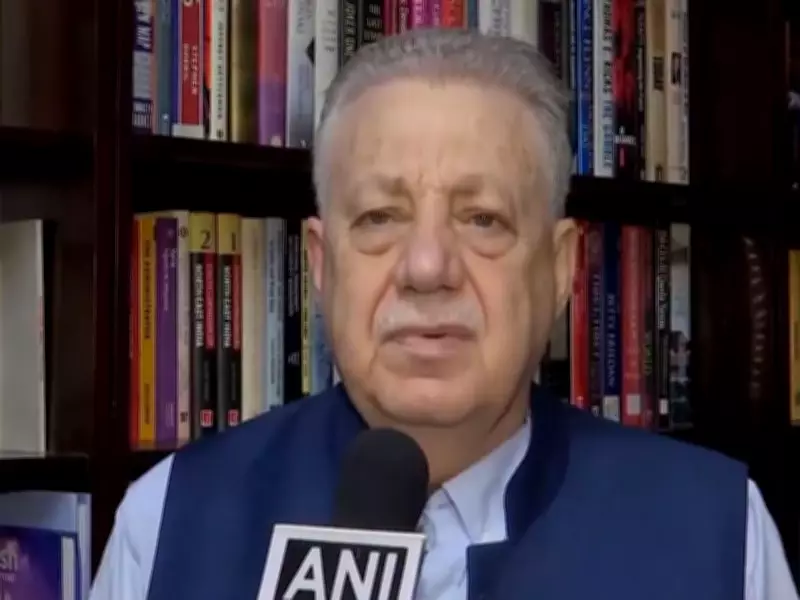
In a striking analysis that has captured international attention, foreign policy expert Waiel Awwad has publicly stated that former US President Donald Trump's political maneuvers and strategic decisions closely mirror the plotlines of Hollywood war movies. This assertion, made during a recent interview, suggests that Trump's approach to governance and conflict may be influenced by cinematic tropes rather than traditional diplomatic or military frameworks.
Waiel Awwad's Critical Perspective on Trump's Strategy
Waiel Awwad, a seasoned analyst with extensive experience in global affairs, elaborated on his comparison by highlighting specific instances from Trump's tenure. He pointed to the former president's use of dramatic rhetoric, sudden policy shifts, and a focus on spectacle over substance as elements reminiscent of blockbuster war films. Awwad emphasized that this Hollywood-style script often prioritizes emotional impact and narrative tension over nuanced, long-term solutions to complex international issues.
According to Awwad, this approach has significant implications for global stability. He argued that by adopting a cinematic mindset, Trump's actions could escalate conflicts unnecessarily, create unpredictable geopolitical dynamics, and undermine established diplomatic norms. The expert warned that such a strategy might lead to real-world consequences that are far more severe than any fictional portrayal, affecting alliances, trade relations, and security protocols worldwide.

Reactions and Broader Implications of the Analysis
The comparison has sparked a wave of reactions from political commentators, scholars, and the public. Some have supported Awwad's view, citing Trump's penchant for grand gestures and media-centric tactics as evidence of a scripted performance. Others have criticized the analogy, arguing that it oversimplifies the complexities of political leadership and underestimates the strategic calculations behind Trump's decisions.
Regardless of the debate, Awwad's analysis raises important questions about the intersection of entertainment and politics in modern governance. It prompts a deeper examination of how leaders craft their public personas and whether cinematic influences can shape policy outcomes. This discussion is particularly relevant in an era where media narratives and visual storytelling play an increasingly prominent role in political discourse.
In conclusion, Waiel Awwad's claim that Trump follows a Hollywood war script serves as a provocative lens through which to view contemporary political strategies. As global tensions continue to evolve, understanding the potential impact of such approaches on international relations remains a critical area of study for experts and observers alike.