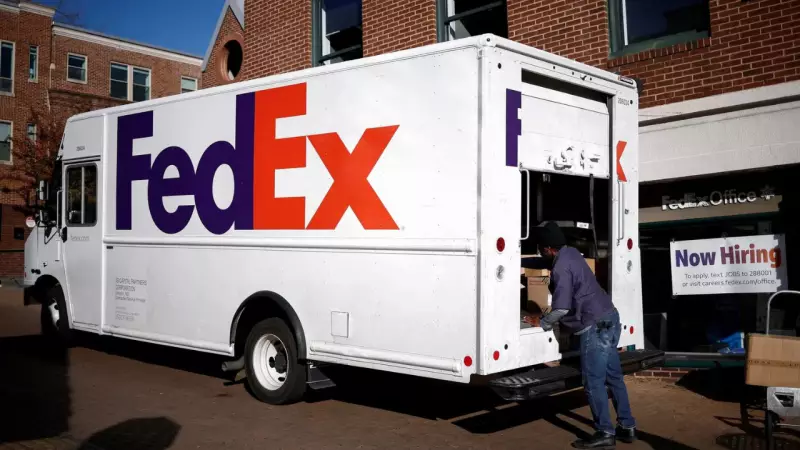
The American logistics giant FedEx finds itself in the midst of a major controversy. This follows revelations that the company significantly increased its hiring of foreign workers on H-1B visas after securing a multibillion-dollar contract from the United States government. This hiring surge coincided with the company cutting hundreds of jobs for American workers across several states, sparking a heated debate on immigration and employment policies.
The Lucrative Contract and the Hiring Spike
In December 2022, the US Transportation Command awarded FedEx a massive federal delivery contract. The deal, part of the Next Generation Delivery Service-2 programme, is valued at a staggering $2.24 billion. The base period for this contract runs from April 2023 to September 2026, with options that could potentially extend the work all the way through 2030.
Data analysis reveals a stark correlation. At the time this lucrative contract was awarded, FedEx had approval for roughly two dozen H-1B visa workers. However, by 2025, that number had ballooned to approximately 500. Reports indicate that some of these visa positions were advertised with annual salaries ranging between $100,000 and $115,000.

American Layoffs and Political Backlash
This sharp rise in foreign hiring did not occur in isolation. It happened alongside a series of layoffs affecting US-based FedEx employees. In November 2025, the company announced plans to eliminate 856 jobs at a single warehouse facility. Earlier that same year, FedEx cut 305 positions in Fort Worth and another 131 in Garland and Plano. The job cuts were not confined to Texas; layoffs also impacted workers in Memphis, Kentucky, New York, and Pennsylvania.
The situation has turned into a political flashpoint. US Vice President JD Vance publicly urged companies, "You Might Try Hiring Americans." The H-1B visa program, typically reserved for specialized roles requiring a bachelor's degree or higher, is now under intense scrutiny. Many MAGA commentators and GOP supporters are calling for a complete ban on the system. They argue it steals opportunities from native-born Americans and provides cheaper immigrant labour to corporations. Right-wing media has highlighted instances where American employees were reportedly forced to train their foreign replacements before being laid off.
FedEx's Defence and the Broader Debate
In response to the controversy, a FedEx spokesperson stated the company is committed to employee growth and prosperity. "Our strategy is centred around recruiting a skilled workforce that meets our unique business needs and hiring the most qualified candidates," the spokesperson told the Dallas Express. The company emphasized its compliance with all federal immigration laws and its diverse hiring practices.
Sources close to the company defended the H-1B growth, explaining it was largely due to corporate mergers and had no direct link to the eliminated positions, which they claim were not roles eligible for H-1B visas. On the other side of the debate, business leaders like former DOGE lead Vivek Ramaswamy and Tesla CEO Elon Musk have argued that foreign labour is essential. They contend America needs global talent to maintain its edge in crucial tech and IT sectors.
Despite the timing, FedEx has not directly linked its massive federal contract to the increase in H-1B hiring or the domestic layoffs. The incident, however, continues to fuel a national conversation about job security, immigration policy, and corporate responsibility in the United States.