Frisco City Council Boy Scouts Photo Ignites Heated Social Media Debate
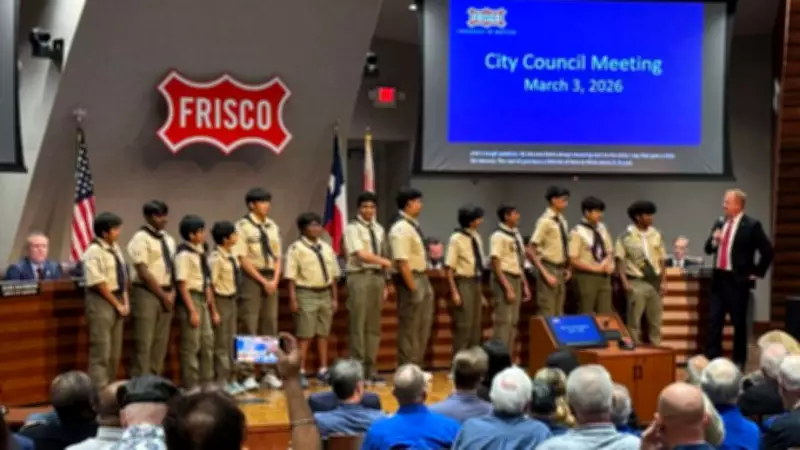
The bi-monthly meetings of the Frisco City Council have consistently captured public attention in recent weeks, and the March 3 session was no exception. This time, the focus shifted to a social media post by whistleblower and influencer Marc Palasciano, who shared a photograph of Boy Scouts participating in the meeting to voice his concerns about what he termed an 'Indian takeover.' However, his attempt to stir controversy backfired spectacularly, as numerous Americans swiftly countered his claims, arguing that there was nothing alarming about the image and instead highlighting it as a positive example of assimilation and community involvement.
Understanding the Role of Boy Scouts in Frisco Council Meetings
Boy Scouts, now officially part of Scouting America and formerly known as the Boy Scouts of America or BSA, represent youth scouting programs dedicated to fostering character development, outdoor skills, leadership, citizenship, and adventure for young people typically aged 5 to 18. In Frisco, Texas, it is a longstanding tradition for local Boy Scouts or Cub Scouts from nearby packs or troops to be invited to lead the Pledge of Allegiance at the beginning of City Council meetings. This practice is common across many Texas city councils, serving as a patriotic opening ritual to instill civic values and community spirit from an early age.
Palasciano's Controversial Post and the Backlash It Faced
Marc Palasciano took to social media to post the photo with the caption, '100% Indian Boy Scouts in Frisco Texas tonight. Is this what diversity looks like?' His complaint quickly drew widespread criticism from users who viewed the image in a completely different light. Many social media respondents suggested that the high participation of Indians in local Boy Scouts might be attributed to a decline in involvement from left-wing white families, rather than any form of takeover. One user pointedly remarked, 'Looks like a bunch of assimilated American immigrants’ kids committed to community service and life preparedness to me. Posting a photo of a bunch of children in order to be racist about them is a pretty creepy thing to do.'

Another commenter challenged Palasciano's perspective by asking, 'What's the problem HERE, you endless whiners? Indians too much more patriotic than whites or Blacks? Just join the god damn Boy Scouts.' A third user emphasized the assimilation aspect, stating, 'Isn’t this exactly what assimilation looks like? This is a Boy Scouts group dressed perfectly. That’s American culture right there. So what’s the issue? The color of their skin? Because to me the main thing is assimilating into American culture. That’s what matters.' These responses underscored a broader sentiment that the children were embodying American values through their participation in a traditional civic activity.
Broader Implications and Community Reactions
The debate extended beyond the immediate backlash, with some users using the incident to critique broader societal issues. One individual proposed a petition to change the city's name, suggesting alternatives like Bengaluru or Tex Deli, in a sarcastic condemnation of what they perceived as excessive assimilation. This comment highlighted the ongoing tensions surrounding cultural integration and identity in diverse communities like Frisco.
Overall, the incident has sparked a significant conversation about racism, patriotism, and the meaning of assimilation in modern America. It serves as a reminder of how social media can amplify both divisive and unifying perspectives, with many defending the Boy Scouts' involvement as a positive reflection of community engagement and cultural blending.