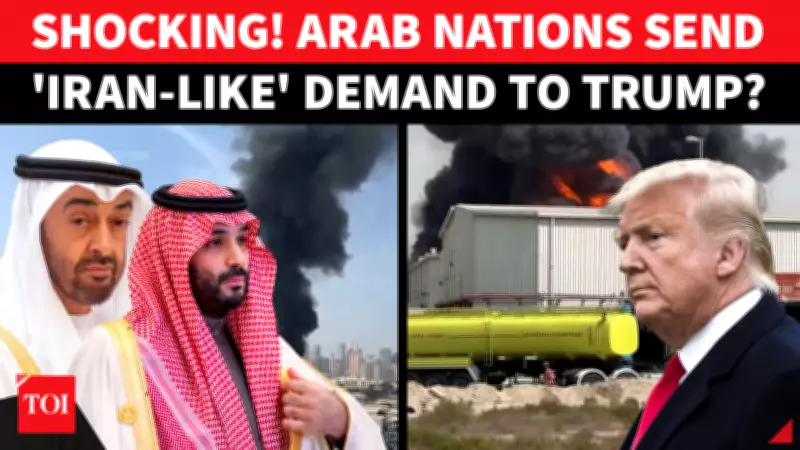
Gulf Allies Press Trump To Maintain Iran Military Campaign
Gulf nations have reportedly made a significant appeal to United States President Donald Trump, urging him to continue the ongoing war against Iran despite escalating regional attacks. According to an Associated Press report, key allies including Saudi Arabia, the United Arab Emirates, Kuwait, and Bahrain have conveyed that ending the conflict at this juncture would undermine what they describe as a critical strategic opportunity to weaken Tehran's leadership.
Diverging Approaches Among Regional Players
This development comes as reports suggest President Trump is considering ending military operations without reopening the strategically vital Strait of Hormuz. While the United Arab Emirates is said to be pushing for stronger action, including potential ground offensives, other regional players like Qatar and Oman are reportedly leaning toward diplomatic solutions to resolve the escalating tensions.
Strategic Calculations Behind The Appeal
The Gulf nations' collective appeal represents a calculated strategic position in the complex Middle Eastern geopolitical landscape. These countries appear to view the current military campaign as a rare window to significantly diminish Iran's regional influence and military capabilities. Their position suggests they believe that halting operations prematurely would allow Tehran to regroup and potentially emerge stronger from the conflict.

The timing of this appeal is particularly significant as it comes amid reports of Trump's potential withdrawal from military engagements. The Gulf nations' unified stance highlights their assessment that continued pressure could achieve long-term security objectives that diplomatic efforts alone might not accomplish.
Regional Dynamics And Diplomatic Alternatives
The divergence between Gulf nations advocating for continued military action and those favoring diplomacy reflects the broader regional split in approaches to Iran. This internal division among traditional U.S. allies in the region presents a complex challenge for American foreign policy as it navigates competing interests and strategic priorities.
The situation remains fluid with multiple factors influencing the ultimate direction of U.S. policy, including domestic political considerations, international pressure, and the evolving military situation on the ground. The Gulf nations' appeal adds another layer to the already complicated decision-making process facing the Trump administration regarding its Iran policy.