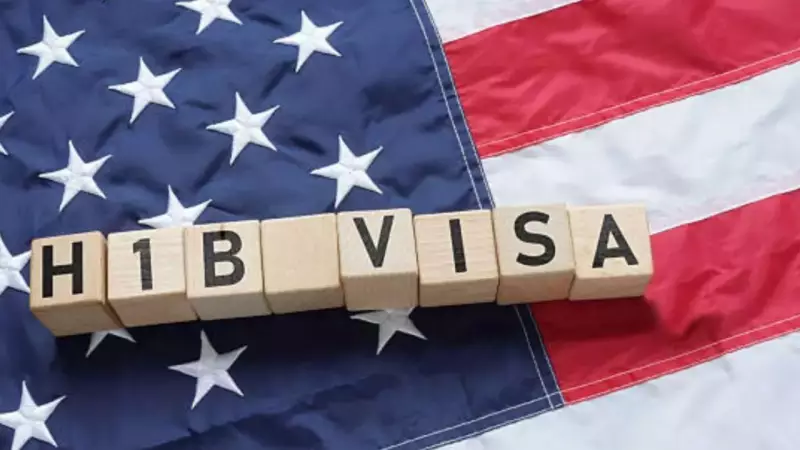
A recent viral video alleging H-1B visa fraud in Texas has ignited a significant debate about the rules governing remote work for foreign professionals on this visa category. The controversy centers on whether H-1B workers, when working remotely, can legally perform their duties from their home countries while awaiting visa processing or during employment.
The Viral Claim That Sparked the Debate
Texas journalist Sara Gonzales posted a YouTube video that quickly gained attention across social media platforms. In her investigation, Gonzales claimed to have exposed what she described as an H-1B visa scam in Texas. She reported visiting addresses associated with companies employing H-1B workers and finding no physical offices at those locations.
The video caught the attention of prominent MAGA figures and 'America First' Republicans who have consistently criticized the H-1B program. However, many social media users pushed back against Gonzales's claims, arguing there was insufficient evidence of actual fraud.

The Remote Work Question That Divided Opinions
One social media user challenged Gonzales's assertion by suggesting the workers "could be working remotely like most of us." Gonzales responded sharply: "If an H-1B worker is working remotely, they can work remotely from their home country. Thank you for proving my point."
This exchange highlighted widespread confusion about what H-1B regulations actually permit, particularly at a time when thousands of visa holders face extended stays outside the United States due to significant visa appointment delays at consulates worldwide.
What Immigration Lawyers Say About Remote Work Rules
Immigration attorney Emily Neumann emphasized that H-1B workers stranded abroad should prioritize maintaining their employment relationships. She warned that losing their jobs could create substantial obstacles to returning to the United States, making job continuity more critical than the theoretical debate about remote work locations.
David Santiago, another experienced immigration attorney, cautioned that working remotely from India while waiting for visa stamping could raise serious questions during re-entry to the United States. He advised affected workers to obtain and preserve written documentation from their employers explicitly approving remote work arrangements during processing delays.
Limited Legal Remedies for Visa Delays
Sangeetha Mugunthan explained that there are very few legal options available to workers facing extended visa appointment delays. She recommended that affected individuals request remote work authorization as soon as possible or consider leaving their current employers if arrangements cannot be made. Comprehensive documentation of all communications and decisions was strongly advised to prevent future complications.
Ellen Freeman noted that repeated visa appointment cancellations have forced numerous H-1B workers to remain in India for months at a time. She observed that workers often must negotiate for remote work options or extended leave, but added that many employers face business pressures that limit their ability to accommodate extended absences.
Compliance Challenges for Employers
Rajiv S. Khanna pointed out that some employers face legal restrictions that prevent them from authorizing remote work from outside the United States. These limitations may stem from export control regulations, payroll compliance requirements, or other regulatory constraints that vary by industry and company structure.
Rahul Reddy added a cautionary note, advising H-1B holders against unnecessary international travel during this period. He warned that workers who become stranded abroad risk losing their positions if employers cannot support long-term remote arrangements due to operational or compliance concerns.
Texas: The Political Context
Texas, traditionally a Republican stronghold and politically conservative state, has recently faced increased scrutiny regarding employment practices involving H-1B visa holders. Concerns have been raised about whether American workers are being displaced by foreign professionals on temporary work visas, adding political dimension to this ongoing debate.

The intersection of immigration policy, employment law, and remote work trends has created complex challenges for H-1B visa holders, their employers, and immigration authorities. As work patterns continue evolving in the digital age, clarity on these regulations becomes increasingly important for all stakeholders involved in the H-1B program.