

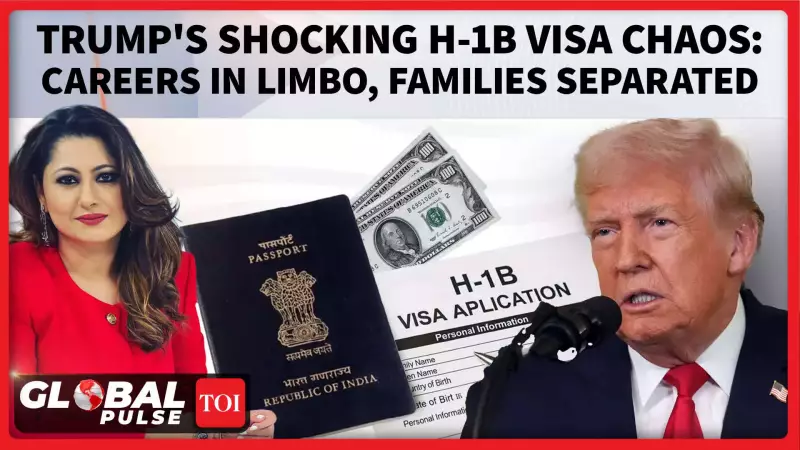
The Trump administration's intensified focus on immigration controls, particularly the H-1B visa program, has plunged countless professionals worldwide into a state of deep anxiety and uncertainty. A significant number of Indian nationals are now confronting a distressing reality as their scheduled visa interviews have been abruptly postponed, with some new dates set as far out as October 2026.
A Timeline of Growing Delays and Uncertainty
This recent setback compounds an already difficult situation for applicants. Their appointments had previously been rescheduled to February and March 2026, creating a long wait. The latest administrative move to push dates to late 2026 has effectively extended the timeline by several more months, adding to the mental and professional strain on individuals and their families. The policy shift represents a continued crackdown on the popular work visa route, which has long been a gateway for skilled Indian talent in sectors like technology and engineering.
Professionals and Families Bear the Brunt
The cascading delays are not merely bureaucratic hurdles; they have severe real-world consequences. For many Indian professionals, the extended wait puts their current employment status and future career prospects in serious jeopardy. Companies awaiting their arrival or transfer may be forced to reconsider staffing plans. Beyond careers, the human cost is immense. Families are separated, with spouses and children on dependent H-4 visas facing the same prolonged uncertainty. This limbo state, where lives are put on hold for years, is causing significant emotional and financial trauma for households that had planned their futures around a move to the United States.

Navigating an Unpredictable Immigration Landscape
The repeated rescheduling signals a period of heightened volatility in U.S. immigration policy under the current administration. For the Indian diaspora and prospective applicants, it underscores the need for contingency planning and managing expectations. The extension of wait times to late 2026 creates a multi-year window of instability, affecting decisions related to housing, children's education, and long-term investments. As the situation evolves, professionals are advised to stay updated with official consulate notifications and seek reliable legal counsel to navigate this challenging and unpredictable process.
The overarching message is one of prolonged delay and disruption. What was once a predictable, though competitive, pathway has become a source of significant stress, leaving thousands in a state of suspended animation, unsure of when or if their American dream can proceed.






