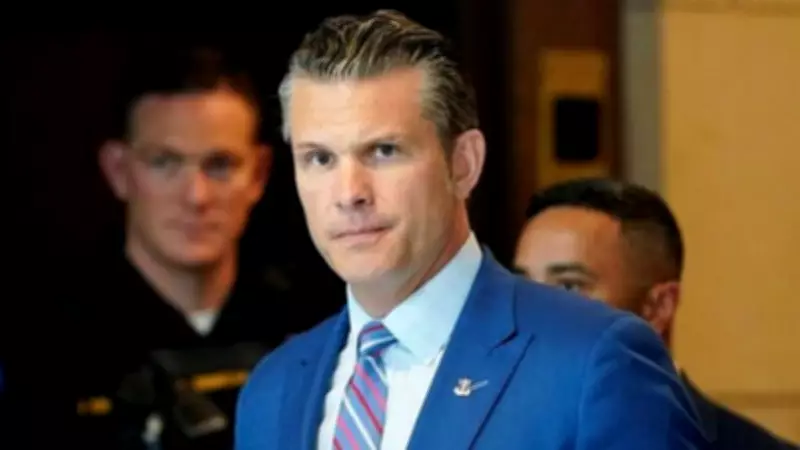
Broker for US Defense Secretary Hegseth Explored Defense Fund Acquisition Before Iran Strike
In a development that has drawn attention to financial activities surrounding high-level US officials, it has been reported that a broker associated with US Defense Secretary Hegseth looked into purchasing a defense-related investment fund in the period leading up to a significant military action involving Iran. The investment, which was discussed by Hegseth's broker, was ultimately not executed due to logistical constraints.
Details of the Investment Discussion
The defense fund in question was launched in May of the previous year, but at the time of the broker's inquiry, it was not yet accessible for purchase by clients of Morgan Stanley, the financial institution involved. This unavailability prevented the transaction from moving forward, meaning no actual investment was made by the broker on behalf of or in connection with Hegseth. The timing of this exploration, occurring before the Iran attack, has sparked discussions about the intersection of defense policy and financial markets, though there is no indication of any impropriety or direct link to the military event.
Context and Implications
This incident highlights the complex web of financial interests that can exist around key figures in national security roles. While the broker's actions were part of routine financial planning, the focus on a defense fund prior to a major geopolitical event raises questions about transparency and potential conflicts of interest. It is important to note that the fund was a general investment vehicle related to the defense sector, not specifically tied to the Iran situation, and its unavailability at Morgan Stanley was a standard market condition.

The report, sourced from Reuters and dated March 31, 2026, underscores the need for clear guidelines and oversight in such matters to maintain public trust. As global tensions persist, especially in regions like the Middle East, the financial dealings of defense officials will likely remain under scrutiny to ensure they align with ethical standards and do not influence policy decisions.