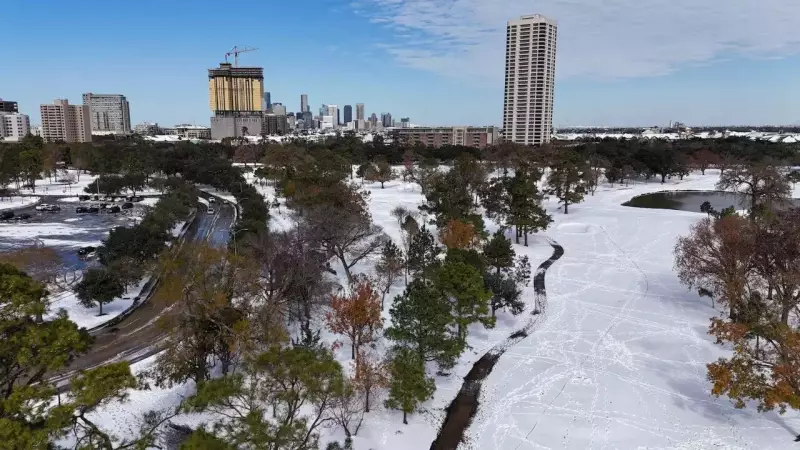
Houston Winter Freeze Intensifies Concerns Over Power Grid and Public Safety
An unprecedented severe winter freeze has descended upon the Houston region, triggering widespread anxiety about its potential impact on critical infrastructure and daily routines. The prolonged cold spell, unusual for this typically warm and humid city, places extraordinary strain on energy systems, elevating the risk of extensive power outages across communities.
Why Winter Power Outages Pose Grave Dangers in Houston
Houston's architecture and infrastructure are designed for heat rather than freezing conditions, making residents particularly vulnerable during cold weather emergencies. When electricity fails during extreme freezes, indoor temperatures can plummet rapidly, creating life-threatening situations for elderly individuals, infants, and those with pre-existing health conditions who face heightened hypothermia risks.
The situation is further complicated by frozen water supply lines, limited access to hot meals, and communication breakdowns that isolate households when they need assistance most. These compounding factors transform what might be an inconvenience in milder climates into a genuine public health crisis for Houston residents.

Immediate Actions When Electricity Fails During Freezing Conditions
The initial minutes following a power outage are critical for safety and damage prevention. Residents should immediately unplug major appliances and sensitive electronics to protect against power surges when electricity returns. Leaving one lamp switched on provides a convenient visual indicator when power restoration occurs.
Food safety becomes paramount during outages. Keep refrigerator and freezer doors securely closed to maintain cold temperatures and delay food spoilage as long as possible. For lighting needs, rely exclusively on battery-powered flashlights, lanterns, or headlamps—avoid candles completely due to their significant fire hazard potential.
If indoor temperatures drop dangerously low and cannot be stabilized, consider relocating vulnerable household members to designated warming centers or staying with friends or family who maintain power. This decision becomes particularly crucial for those with medical conditions or limited mobility.
Effective Heat Conservation Strategies Without Electricity
When facing freezing temperatures without heating systems, the priority shifts to conserving existing warmth rather than generating new heat. Windows represent primary sources of heat loss and should be sealed using plastic sheeting or even blankets to create insulation barriers. Similarly, drafty doors can be blocked with towels or clothing to prevent cold air infiltration.
Strategic room usage makes a significant difference. Concentrate household activities in a single, well-insulated room to maximize body heat retention. At night, sleep in the warmest available location with multiple layers of bedding for added insulation against dropping temperatures.
The Critical Importance of Layering and Body Heat Management
Proper clothing represents your first defense against hypothermia during power outages. Multiple loose-fitting layers trap warm air between fabrics far more effectively than single thick garments. Pay particular attention to extremities—wearing hats, insulated socks, and gloves prevents substantial heat loss through these vulnerable body areas.
Indoor use of blankets, quilts, or sleeping bags provides additional insulation even when traditional heating systems fail. These materials create micro-environments of warmth that can maintain body temperature during extended cold periods.
Dangerous Heating Methods That Risk Lives
Desperation during extreme cold sometimes leads to hazardous choices that can prove fatal. Never bring outdoor heating or cooking devices indoors—gas stoves, barbecues, or portable generators emit carbon monoxide, a colorless, odorless gas that causes poisoning and death within minutes. Similarly, never leave portable heaters or fireplaces unattended or operate them while sleeping, as they present severe fire risks and toxic fume hazards.

Improvised heating methods like burning non-fireplace materials or unsupervised candle use dramatically increase house fire probabilities. Remember that emergency response times often slow during widespread power outages, making prevention absolutely essential.
Safe Generator Operation During Power Emergencies
Portable generators can provide temporary power during outages when used responsibly. Always position generators outdoors, well away from doors, windows, and ventilation systems to prevent exhaust fumes from entering living spaces. Never operate generators indoors or in enclosed areas, regardless of duration, as dangerous gas accumulation occurs rapidly.
Strictly follow manufacturer safety guidelines, as improper generator use has contributed to numerous injuries and fatalities during previous winter storms. Ensure proper fuel storage and never attempt to refuel while equipment is running or still hot from operation.
Staying Informed and Recognizing When to Seek Assistance
Accurate information becomes lifesaving during freezing emergencies. Maintain communication through battery-powered radios and fully charged mobile devices to receive weather updates, road condition reports, and warming center locations. Local authorities regularly broadcast special assistance information for vulnerable populations during extreme weather events.
Recognize hypothermia warning signs—uncontrollable shivering, confusion, slurred speech, or exhaustion—and seek immediate medical assistance when these symptoms appear. Never attempt to manage cold-weather medical emergencies alone when professional help remains available through emergency services.
Proactive Preparation for Prolonged Cold Conditions
As Houston faces another bout of extreme winter weather, community preparedness and informed decision-making provide the strongest defenses against cold-related dangers. While freezing temperatures may eventually pass, the consequences of choices made during emergency periods can have lasting impacts on health and safety.
Developing household emergency plans, assembling supply kits with essentials like non-perishable food, water, medications, and warm clothing, and staying informed about weather developments represent practical steps all Houston residents can take to enhance their resilience during unexpected winter freezes.