

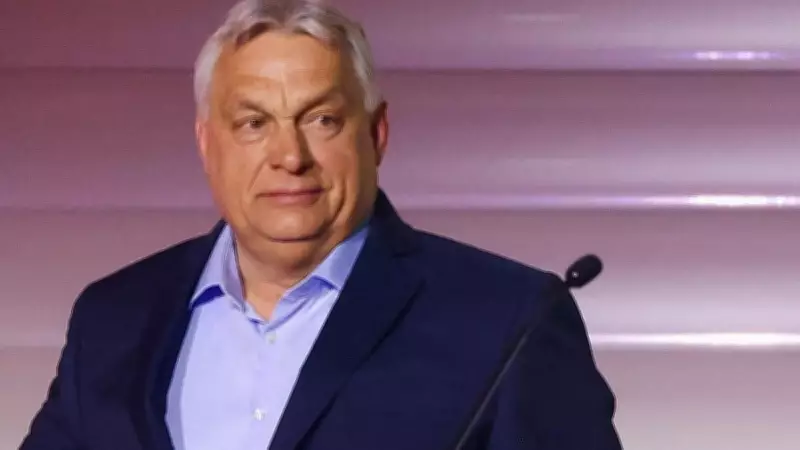
Hungary's Political Journey: A Mirror for Modern Democracies
Hungary's political evolution over recent decades serves as a profound case study for democracies globally, offering critical lessons on governance, institutional integrity, and the dynamics of power consolidation. From its transition to democracy post-1989 to its current state under Prime Minister Viktor Orbán, Hungary's trajectory highlights both the promises and perils of democratic systems.
The Shift from Democratic Transition to Centralized Governance
In the early 1990s, Hungary emerged as a beacon of democratic hope in Central Europe, embracing multiparty elections, free markets, and integration with Western institutions like the European Union and NATO. However, since 2010, under the leadership of Orbán's Fidesz party, the country has witnessed a significant centralization of power. This shift has involved constitutional changes, judicial reforms, and media regulations that critics argue undermine checks and balances.
Key aspects of this transformation include:

- Constitutional amendments that have expanded executive authority while limiting parliamentary oversight.
- Reforms to the judiciary, including changes in the appointment of judges, raising concerns about judicial independence.
- Media laws that have concentrated ownership in pro-government hands, affecting press freedom and public discourse.
Lessons for Democracies Worldwide
Hungary's experience provides several vital lessons for other democracies grappling with similar challenges. First, it underscores the importance of robust institutional safeguards to prevent the erosion of democratic norms. Democracies must ensure that constitutional frameworks and independent bodies, such as courts and electoral commissions, remain resilient against political pressures.
Second, Hungary highlights the role of civil society and media in holding governments accountable. In contexts where media freedom is constrained, as seen in Hungary, alternative platforms and grassroots movements become crucial for fostering transparency and public engagement.
Third, the Hungarian case illustrates how economic policies and nationalist rhetoric can be leveraged to consolidate power. By combining welfare measures with appeals to national identity, governments may gain popular support while centralizing control, a strategy observed in various democracies.
Implications for Global Democratic Resilience
For democracies in Europe and beyond, Hungary's trajectory serves as a cautionary tale. It emphasizes the need for continuous vigilance and adaptation in democratic systems to address emerging threats. This includes fostering inclusive political participation, protecting minority rights, and promoting civic education to strengthen democratic values among citizens.
Moreover, Hungary's integration into the EU raises questions about how supranational bodies can respond to democratic backsliding within member states. The EU's mechanisms for upholding rule-of-law standards have been tested by Hungary's policies, highlighting the complexities of enforcing democratic norms across borders.
In conclusion, Hungary's political evolution offers invaluable insights for democracies worldwide. By examining its shifts from democratic transition to centralized governance, nations can better understand the dynamics of power, the importance of institutional checks, and the role of civil society in sustaining democratic health. As global democracies face increasing pressures, these lessons from Hungary remain more relevant than ever.

