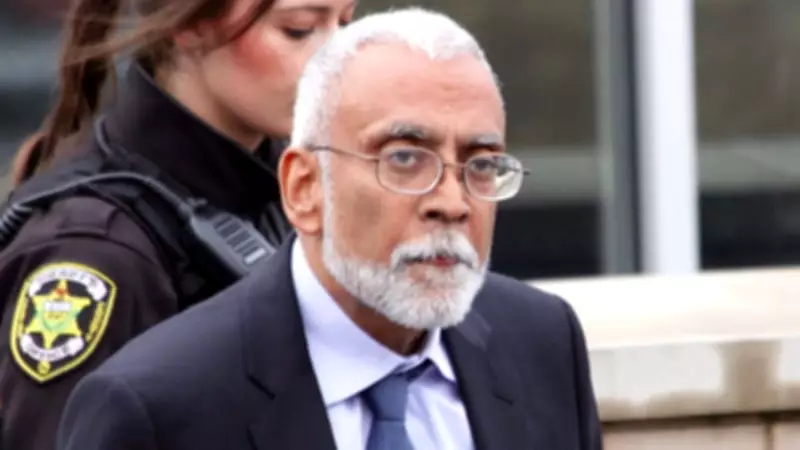
Indian-Origin Subramanyam Vedam Secures Landmark US Immigration Victory
In a significant legal development, Subramanyam "Subu" Vedam, an Indian-origin individual, has triumphed in a critical battle to remain in the United States after enduring more than four decades in prison. This decision comes despite persistent deportation efforts by authorities following the overturning of his murder conviction.
Judge Rules in Favor of Vedam, Citing Rehabilitation and Public Interest
A US immigration judge has definitively ruled that 64-year-old Vedam can stay in the country, rejecting attempts by the Department of Homeland Security to deport him. The ruling emerged from a hearing where the court determined Vedam had shown substantial rehabilitation and no longer poses a threat to society.
Judge Adam Panopoulos emphasized that Vedam "has grown as a person" and "began to dedicate himself to enriching other people's lives and ultimately his own through academic study and enrichment." The judge further stated that allowing Vedam to remain "would be in the best interest of the United States," highlighting the positive impact of his transformation.

Background: Decades of Incarceration and Legal Struggles
Vedam was taken into custody by Immigration and Customs Enforcement last year, just as he was about to be released from prison after his murder conviction was vacated. He had spent over 40 years behind bars for the 1980 killing of Thomas Kinser in Pennsylvania, a crime he has consistently denied throughout.
During the hearing, Vedam reflected on his past, stating, "I was young and stupid and did a lot of dumb things back then." He maintained his innocence regarding the murder charge, asserting, "I never stopped saying I was innocent of this charge."
Deportation Threat from Past Drug Convictions
Even with the murder charge cleared, Vedam still faced deportation due to separate drug-related convictions from his youth. As a teenager, he pleaded no contest to selling LSD, which authorities argued made him eligible for removal from the country.
At the hearing, a lawyer for the DHS contended that Vedam should still be deported, citing past offences including drug distribution, DUI, and theft. However, the court ultimately sided with Vedam, considering his conduct over decades in prison, educational achievements, and mentoring efforts.
Evidence of Rehabilitation and Community Ties
The judge noted that evidence demonstrated "genuine rehabilitation, consistent display of good moral character over the last 40 years and strong family ties and communal support." Vedam earned multiple degrees while incarcerated, helped improve literacy among fellow inmates, and built robust connections with his family.
Born in Mumbai, Vedam moved to the US as an infant and grew up in Pennsylvania, where his father worked as a physics professor. He was close to obtaining US citizenship at the time of his arrest in 1982.
Future Plans and Legal Proceedings
Following the ruling, Vedam's lawyer announced plans to seek his release on bond. If freed, he intends to live with relatives in California and has been offered a place in a doctoral programme in applied anthropology.
The DHS has 30 days to appeal the decision. Until then, Vedam remains in custody, awaiting the next steps in this protracted legal journey that underscores themes of justice, redemption, and immigration policy.