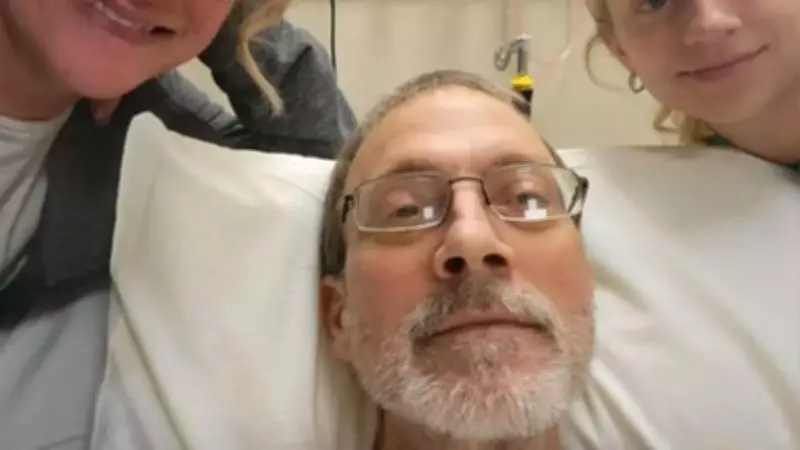
US Man Dies After Insurance Delay Blocks Cancer Treatment, Sparks Law Change
In a tragic case highlighting systemic flaws in healthcare, a 58-year-old man from the United States passed away after insurance approval delays allegedly prevented him from receiving a potentially life-extending cancer treatment in time. Media reports detail how bureaucratic hurdles and denials by insurers contributed to this devastating outcome, raising urgent questions about patient care and insurance practices.
Diagnosis and Treatment Denial
Eric Tennant, a mining safety instructor from Bridgeport, West Virginia, was diagnosed in 2023 with stage 4 cholangiocarcinoma, a rare and aggressive form of bile duct cancer that had metastasized to other parts of his body. After enduring more than two years of intensive chemotherapy and radiation, Tennant was identified in early 2025 as a suitable candidate for histotripsy, a non-invasive medical procedure that utilizes focused ultrasound waves to target and destroy liver tumors.
His medical team was prepared to proceed with this advanced treatment, but his insurer, the Public Employees Insurance Agency (PEIA), which partners with UnitedHealthcare, denied coverage. The insurer claimed the treatment was "not medically necessary," despite evidence from doctors suggesting it could offer significant benefits.

Failed Appeals and Financial Strain
Tennant's family filed multiple appeals, submitting comprehensive medical records and expert opinions to support the necessity of histotripsy. However, these requests were repeatedly rejected by the insurance company. The procedure would have cost approximately USD 50,000 out of pocket, forcing the family to consider depleting their retirement savings to afford it.
"People should not have to beg to get help, especially for something that they are already paying for," his wife, Rebecca Tennant, was quoted as saying. The family did not expect a cure but believed the treatment could have extended Eric's life and improved its quality by managing tumor growth.
Delayed Reversal and Tragic Outcome
The insurer eventually reversed its decision in May 2025, reportedly after media inquiries brought attention to the case. By then, Tennant's condition had severely deteriorated, and he was no longer eligible for the histotripsy procedure due to his advanced illness. He was later placed in hospice care and died in September 2025.
"He wasn't afraid to die, but he didn't want to die," Rebecca said. "You could tell the last day that he was fighting it." This poignant statement underscores the emotional toll of the delays, which not only affected medical outcomes but also the family's psychological well-being.
Broader Implications and Legislative Response
This case has drawn significant attention to the controversial practice of prior authorization, where insurers must approve treatments before they are administered. A report by KFF found that over a quarter of US physicians surveyed said prior authorization had led to serious adverse events in patients, with about 8% reporting it resulted in disability, birth defects, or death.
Insurers argue that prior authorization acts as a safeguard to ensure appropriate use of treatments, particularly for newer or experimental options like histotripsy. UnitedHealthcare stated there is limited evidence on the effectiveness of histotripsy and its impact on survival, justifying their initial denial.
In response to Tennant's case, West Virginia lawmakers took legislative action. A new law, signed by Governor Patrick Morrisey on March 31, allows patients to opt for medically appropriate alternative treatments of equal or lower cost without requiring fresh approval. The law also mandates faster response timelines for urgent cases and is set to come into effect on June 10.
Lawmakers said the move aims to reduce delays during critical treatment windows and give patients greater flexibility in care decisions. Rebecca Tennant emphasized that earlier access to histotripsy could have helped control the tumor in her husband's liver, stating, "The insurance company's decision did not simply delay care. It closed doors."
This incident serves as a stark reminder of the need for reform in healthcare systems to prioritize patient needs over bureaucratic processes, ensuring timely access to life-saving treatments.