

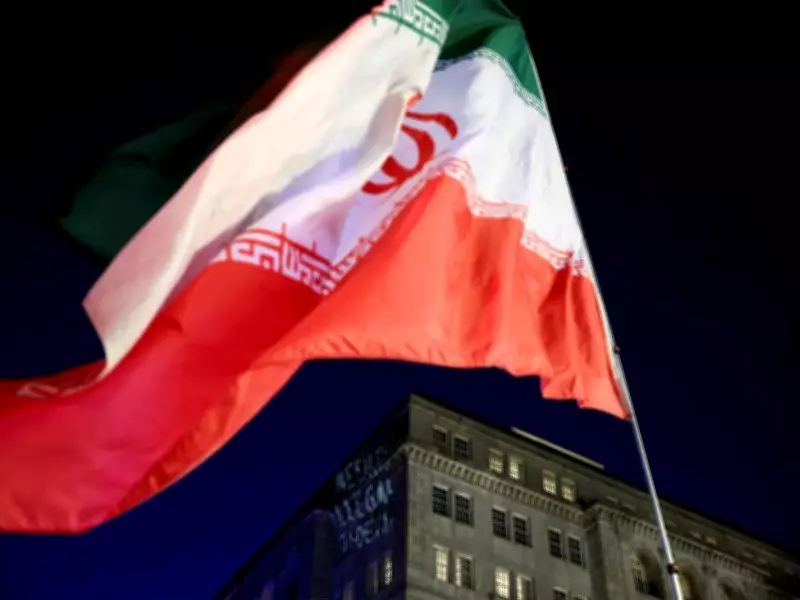
Iran Rejects Trump's 'Seriously Fractured Leadership' Claim, Accuses US President of Weaving Lies
In a sharp diplomatic rebuke, Iran has categorically dismissed former United States President Donald Trump's recent assertion that the country's leadership is "seriously fractured." Iranian officials have countered by accusing the US president of fabricating falsehoods and engaging in a deliberate campaign to misrepresent Iran's political stability and governance structures.
Trump's Allegation and Iran's Firm Response
Donald Trump, during a public address, claimed that Iran's leadership is experiencing significant internal divisions and described it as "seriously fractured." This statement was part of broader criticisms aimed at Iran's government, which Trump has frequently targeted throughout his tenure and beyond. In response, Iranian authorities issued a strong statement rejecting the claim as baseless and politically motivated.
Iranian spokespersons emphasized that the country's leadership remains united and resilient in the face of external pressures. They argued that such allegations are designed to undermine Iran's sovereignty and create a false narrative of instability, which could be used to justify further US interventions or sanctions.

Accusations of Falsehoods and Distortion
Beyond merely rejecting Trump's claim, Iran has accused the US president of "weaving lies" and distorting facts about Iran's domestic and foreign policies. Iranian officials pointed to what they describe as a pattern of misinformation from the US administration, aimed at isolating Iran internationally and tarnishing its image.
They highlighted that Iran has maintained a consistent and cohesive leadership approach, particularly in handling regional issues and nuclear negotiations. The Iranian response underscored that such false claims are part of a broader strategy to exert pressure on Iran, rather than reflecting any genuine assessment of its political landscape.
Broader Implications for US-Iran Relations
This exchange adds to the ongoing tensions between the United States and Iran, which have been strained over issues such as the nuclear deal, regional conflicts, and economic sanctions. Iran's rejection of Trump's leadership claim is seen as a reaffirmation of its stance against US interference and a defense of its political integrity.
Analysts note that such verbal confrontations can exacerbate diplomatic rifts and hinder efforts at dialogue or de-escalation. The incident reflects the deep-seated mistrust between the two nations, with Iran viewing US statements as provocative and the US often criticizing Iran's governance.
Iran's Call for Fact-Based Discourse
In concluding their response, Iranian officials called for a more fact-based and respectful discourse in international relations. They urged the US to refrain from spreading unfounded allegations and to engage in constructive dialogue if it seeks to address genuine concerns about Iran's policies or actions.
This episode underscores the challenges in US-Iran relations, where rhetorical clashes often overshadow substantive issues. Iran's firm stance signals its commitment to defending its political system against external criticisms, while the US continues to voice its disagreements with Tehran's leadership.






