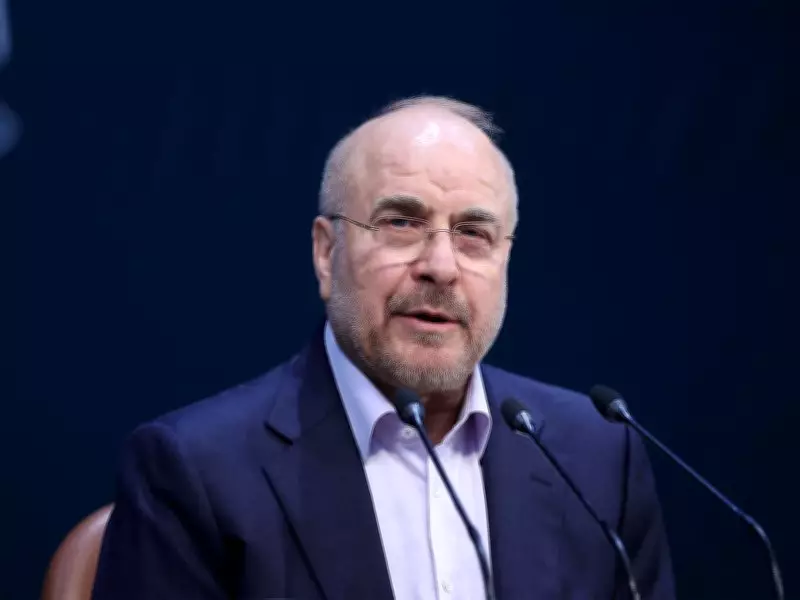
Iranian Parliament Speaker Condemns US Foreign Policy Focus
In a sharp critique of American leadership, Iranian Parliament Speaker Mohammad Bagher Qalibaf has accused US officials of prioritizing support for Israel over the pressing domestic needs of their own citizens. This statement comes amid ongoing geopolitical tensions in the Middle East and rising economic pressures globally.
Qalibaf's Accusations Against US Leaders
Qalibaf asserted that while US leaders continue to allocate significant resources and political capital to bolster Israel, many American families are facing severe hardships at home. He specifically highlighted the escalating fuel prices in the United States, which have reportedly forced some households to make difficult choices, such as skipping meals to afford transportation costs.
"The current administration in Washington is choosing Israel first, even as its own people suffer from economic strain," Qalibaf stated, emphasizing what he views as a misalignment in US priorities. This criticism taps into broader debates about foreign aid and domestic welfare in American politics.

Context of Rising Fuel Costs and Economic Strain
The backdrop to Qalibaf's remarks includes a period of heightened inflation and energy price volatility in the US. Factors such as global market fluctuations, supply chain disruptions, and policy decisions have contributed to increased costs for consumers, impacting daily life for many Americans.
Observers note that such economic challenges have sparked discussions about the balance between international commitments and domestic needs. Qalibaf's comments reflect a narrative often pushed by critics of US foreign policy, who argue that resources could be better directed inward to address issues like poverty, healthcare, and infrastructure.
Implications for US-Iran Relations
This verbal attack from a high-ranking Iranian official is likely to further strain the already tense relations between Tehran and Washington. Historical conflicts, nuclear negotiations, and regional rivalries have long defined this relationship, with both sides frequently exchanging barbs over each other's policies.
Qalibaf's focus on US support for Israel underscores the deep-seated animosities in the region, where Iran and Israel are arch-foes. By highlighting domestic American struggles, he may be attempting to undermine US credibility and rally support against Western interventions.
Reactions and Broader Geopolitical Landscape
While Qalibaf's claims have not been independently verified regarding the extent of meal-skipping in the US, they resonate with ongoing economic debates. In response, US officials have previously defended their foreign policy, citing strategic alliances and national security interests.
The situation illustrates the complex interplay between domestic economics and international diplomacy. As global leaders navigate these challenges, critiques like Qalibaf's serve as reminders of the political ammunition that economic hardships can provide in geopolitical spats.
This development adds another layer to the multifaceted dynamics in the Middle East, where verbal confrontations often precede or accompany more substantive diplomatic or military actions.