Iranian Journalist Proclaims End of US-Israeli Dominance in Middle East
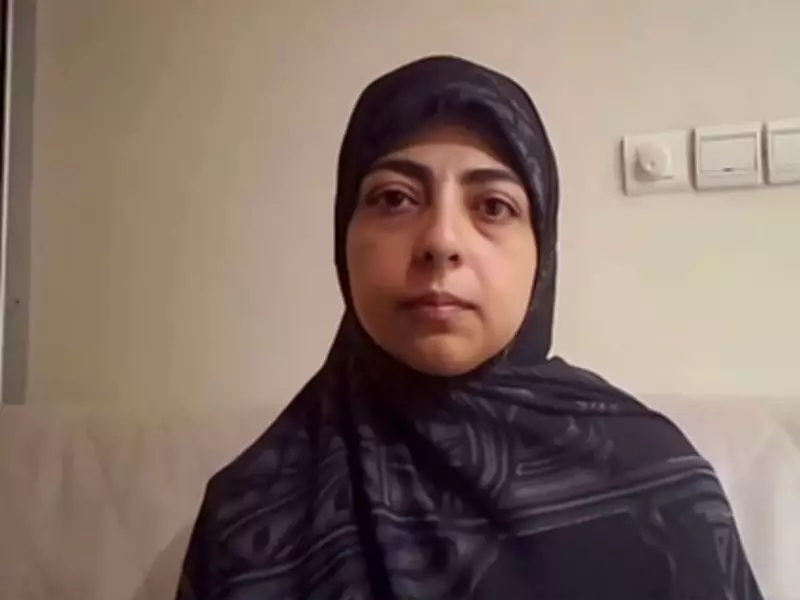
In a bold statement that has captured international attention, an Iranian journalist has declared that the era of US-Israeli hegemony in the Middle East is definitively over. This assertion comes amid ongoing regional tensions and shifting geopolitical dynamics, highlighting a growing sentiment that Western influence in the area is waning.
Stable Peace Requires Western Withdrawal, Says Analyst
The journalist emphasized that achieving stable and lasting peace in the Middle East necessitates a significant retreat by Western powers from their longstanding involvement in regional affairs. According to this perspective, the continuous intervention by countries like the United States and its allies, particularly Israel, has historically fueled conflicts rather than resolved them.
This viewpoint challenges the traditional Western-led approach to diplomacy and security in the region, suggesting that local actors should take the lead in forging their own paths toward reconciliation and stability. The call for Western retreat is framed as a prerequisite for authentic peacebuilding efforts that respect the sovereignty and aspirations of Middle Eastern nations.

Context of Shifting Geopolitical Landscapes
This declaration aligns with broader trends observed in recent years, where the influence of the US and Israel has faced increasing resistance from various regional powers, including Iran itself. The journalist's comments reflect a confidence among some Iranian circles that the balance of power is shifting, potentially opening new avenues for diplomacy that are less dependent on Western mediation.
The statement also underscores the deep-seated frustrations with what many in the region perceive as external domination, which has often been associated with military interventions, economic sanctions, and political manipulations. By advocating for a Western retreat, the journalist is essentially calling for a decolonization of Middle Eastern politics, where decisions are made by those most affected by them.
Implications for Future Peace Efforts
If this perspective gains traction, it could reshape the framework for peace negotiations and conflict resolution in the Middle East. Key implications include:
- Increased autonomy for regional actors in managing their disputes without external interference.
- Potential for new alliances that bypass traditional Western partnerships, fostering cooperation among Middle Eastern countries.
- Challenges to existing security arrangements, such as those involving Israel and its neighbors, which have often relied on US backing.
However, critics argue that a complete Western retreat might lead to power vacuums that could exacerbate instability, given the complex web of rivalries and conflicts in the region. The journalist's stance, therefore, sparks a crucial debate on the role of external powers in promoting or hindering peace.
Conclusion: A Call for Paradigm Shift in Middle East Diplomacy
In summary, the Iranian journalist's proclamation that US-Israeli hegemony is over serves as a provocative commentary on the current state of Middle Eastern affairs. By insisting that stable peace requires Western retreat, this viewpoint advocates for a fundamental shift in how international relations are conducted in the region. As global dynamics continue to evolve, such assertions may influence future diplomatic strategies and the pursuit of a more equitable and sustainable peace.